

Marble is one of the most luxurious materials used in homes and commercial spaces. However, artificial marble has become increasingly common, and many people struggle to tell the difference.
Knowing whether your surface is real or artificial helps you choose the right cleaning products, polishing methods, and sealers.
How to Identify Real Marble
1. Veining Pattern Real marble has irregular, natural veining. Artificial marble often has repetitive or uniform patterns.
2. Temperature Test Real marble feels cooler to the touch due to its natural mineral composition.
3. Scratch Test Marble is softer and can scratch more easily. Artificial marble is usually harder.
4. Acid Reaction Real marble reacts to acidic liquids by etching. Artificial marble is more resistant.
Why It Matters
- Real marble requires pH‑neutral cleaners
- Artificial marble can tolerate stronger chemicals
- Polishing methods differ
- Sealing frequency varies
Understanding your stone type ensures proper maintenance and prevents accidental damage.
Recommended Products
-
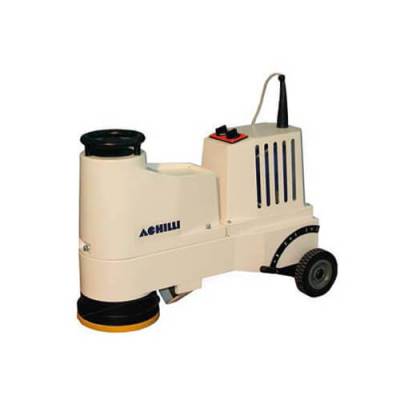
Achilli Floor Polishing & Grinding Machine
-

Battipav PRIME Bridge Stone Saw – Professional Bridge Cutter (Ø350 mm)
-
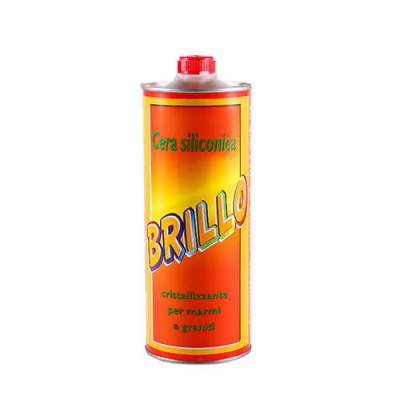
Brillo Liquid Wax for Natural Stone
-

Diamond Bush Hammer – Heavy‑Duty Texturing Tool for Stone & Concrete
-
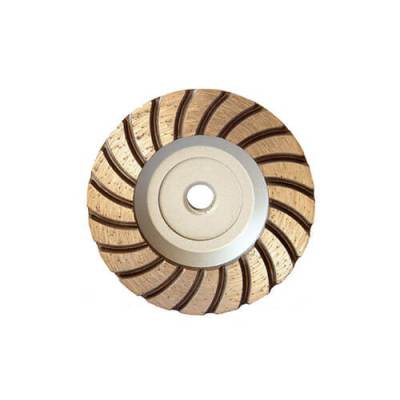
Diamond Cup Grinder – Heavy Duty & Premium Turbo Grinding Wheel
-

EcoProtec Natural Finish Stone Sealer
-
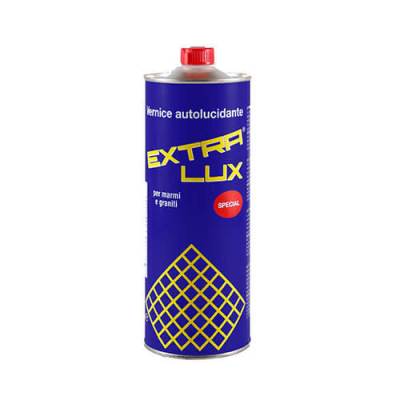
Extra Lux Self‑Polishing Varnish for Marble & Granite
-

HG Hyper Grinder Emme Cleaner