Sealers and waterproofing systems are among the most important — yet most misunderstood — components in the world of stone, tile, and concrete care. Whether you’re protecting marble floors in a luxury villa, sealing concrete in a warehouse, or waterproofing a bathroom before tile installation, the right sealer determines how long the surface will last, how easy it is to maintain, and how resistant it will be to stains, moisture, and chemical exposure.
In the UAE, where humidity, sand, and harsh cleaning chemicals are common, choosing the correct sealer is even more critical. A poorly sealed surface can stain within minutes, absorb moisture, or deteriorate under daily use. A properly sealed surface, on the other hand, can last years with minimal maintenance.
This guide breaks down everything you need to know about sealers and waterproofing systems — how they work, where to use them, how to choose the right one, and how to maintain sealed surfaces for long-term performance.
Understanding the Purpose of Sealers
Sealers serve three primary functions:
1. Protection Against Stains
Natural stones like marble, limestone, and travertine are porous. They absorb liquids quickly, leading to stains from:
- Coffee
- Tea
- Juice
- Oil
- Grease
- Cosmetics
- Cleaning chemicals
A penetrating sealer reduces the stone’s absorbency, giving you time to clean spills before they become permanent.
2. Protection Against Moisture
Moisture is one of the biggest threats to stone and concrete. It can cause:
- Efflorescence
- Mold growth
- Spalling
- Cracking
- Weakening of the substrate
Waterproofing systems prevent moisture from entering the material, especially in bathrooms, kitchens, balconies, and outdoor areas.
3. Enhancing Appearance
Some sealers enhance the natural color of stone, giving it a richer, deeper look. Others maintain a natural, invisible finish. The choice depends on the design preference.
Types of Sealers
There are two main categories of sealers: penetrating sealers and topical sealers.
Penetrating Sealers
These sealers absorb into the stone or concrete, forming a protective barrier below the surface. They do not change the appearance of the material.
Best for:
- Marble
- Limestone
- Travertine
- Sandstone
- Concrete
- Porous tiles
Advantages:
- Long-lasting
- Breathable
- Invisible finish
- Excellent stain resistance
- No peeling or flaking
Brands like LTP, EcoProtec, and B‑Chem offer high-quality penetrating sealers suitable for UAE conditions.
Topical Sealers
These sealers form a protective layer on the surface. They can add gloss, matte, or satin finishes.
Best for:
- Concrete floors
- Terrazzo
- Decorative stone
- Indoor surfaces
Advantages:
- Enhances color
- Adds shine
- Provides a protective film
Disadvantages:
- Can wear off
- Requires reapplication
- Not ideal for wet areas
Waterproofing Systems
Waterproofing is different from sealing. While sealers protect the surface, waterproofing protects the substrate.
Where Waterproofing Is Essential
- Bathrooms
- Kitchens
- Balconies
- Rooftops
- Swimming pool decks
- Basements
- Wet rooms
Types of Waterproofing Systems
1. Liquid Membranes Applied with a roller or brush, forming a flexible waterproof layer.
2. Sheet Membranes Installed under tiles, providing strong waterproof protection.
3. Cementitious Waterproofing Used in bathrooms and wet areas before tile installation.
Brands like Shelber, EcoProtec, and B‑Chem offer reliable waterproofing solutions.
How to Choose the Right Sealer
Choosing the right sealer depends on:
1. Surface Type
- Marble → penetrating sealer
- Granite → penetrating sealer
- Concrete → penetrating or topical
- Slate → enhancing sealer
- Porcelain → usually no sealer needed
2. Location
- Indoors → penetrating or topical
- Outdoors → penetrating only
- Wet areas → waterproofing + penetrating sealer
3. Desired Finish
- Natural look → penetrating
- Glossy look → topical
- Enhanced color → enhancing sealer
Application Process
Step 1: Clean the Surface
Use a high-quality cleaner such as LTP Grimex, EcoProtec Intensive Cleaner, or B‑Chem Degreaser.
Step 2: Ensure the Surface Is Dry
Moisture trapped under a sealer can cause cloudiness or failure.
Step 3: Apply the Sealer
Use a microfiber cloth, roller, or sprayer.
Step 4: Allow Proper Curing Time
Most sealers require 2–24 hours to cure.
Step 5: Test the Surface
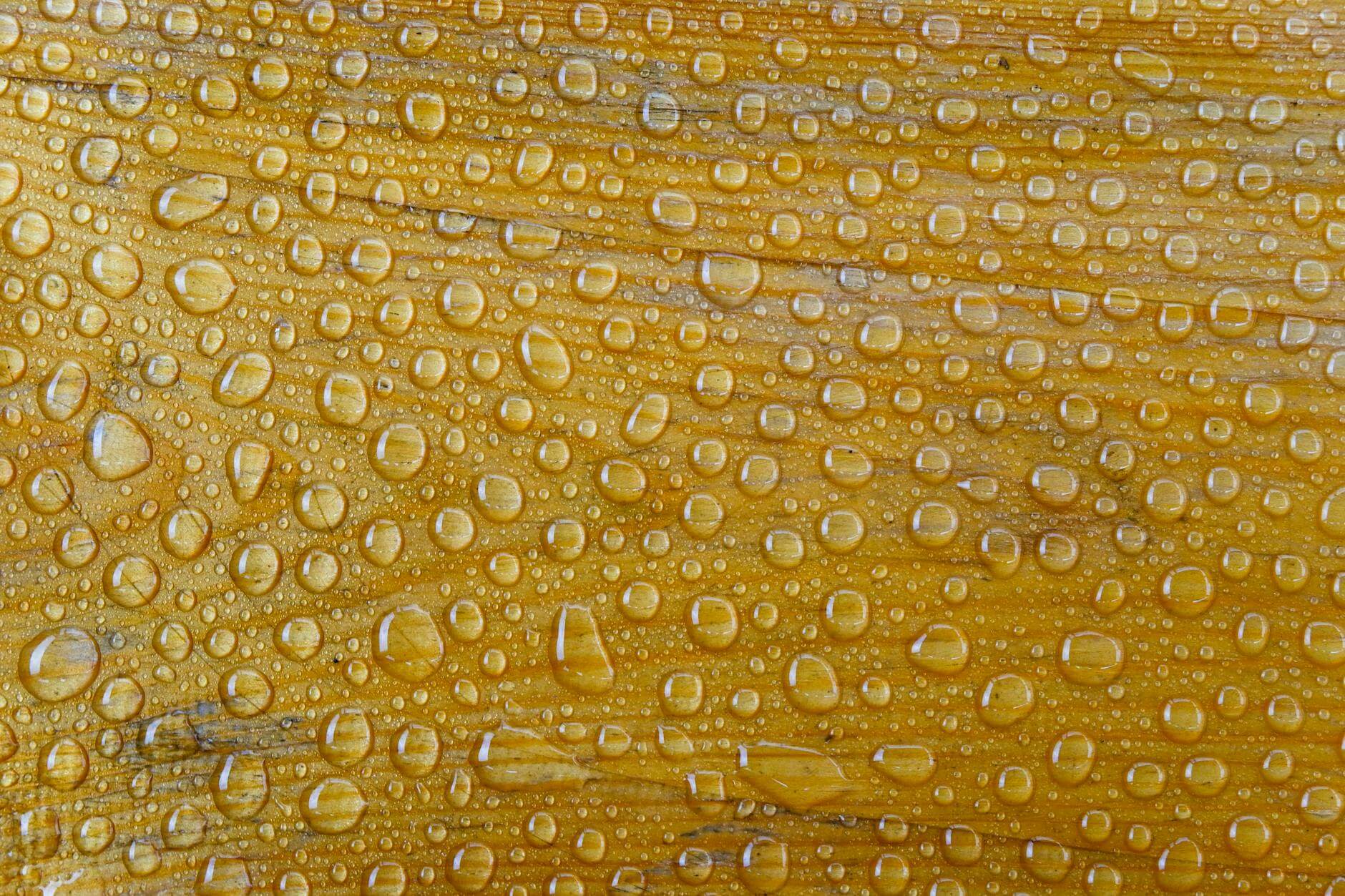
Drop water on the surface. If it beads, the sealer is working.
Maintenance of Sealed Surfaces
Use pH-neutral cleaners
Avoid acidic cleaners on marble and limestone.
Reapply as needed
Penetrating sealers last 3–5 years. Topical sealers last 1–2 years.
Avoid harsh chemicals
Bleach, ammonia, and acidic cleaners can damage sealers.
Common Mistakes to Avoid
- Applying sealer on a wet surface
- Using topical sealer outdoors
- Over-applying sealer
- Not cleaning the surface properly
- Using acidic cleaners on sealed stone
Conclusion
Sealers and waterproofing systems are essential for protecting stone, tile, and concrete surfaces. With the right products and proper application, you can extend the life of your surfaces, reduce maintenance costs, and keep your floors looking beautiful for years.
Recommended Products
-
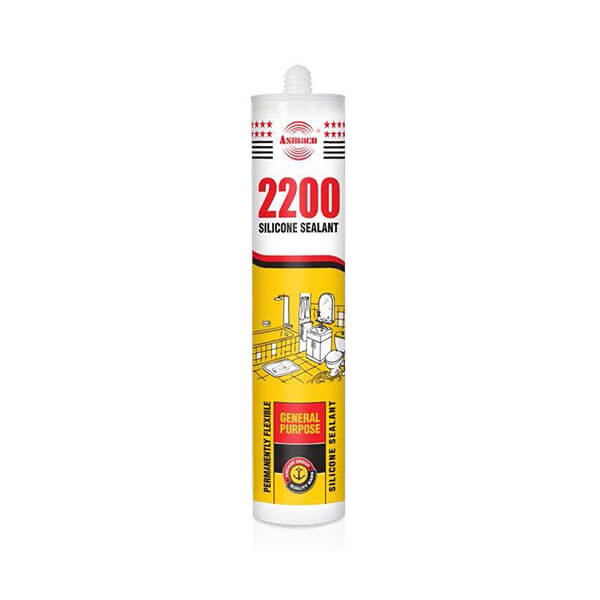
ASMACO 2200 Silicone Sealant – General Purpose Acetic Cure
-
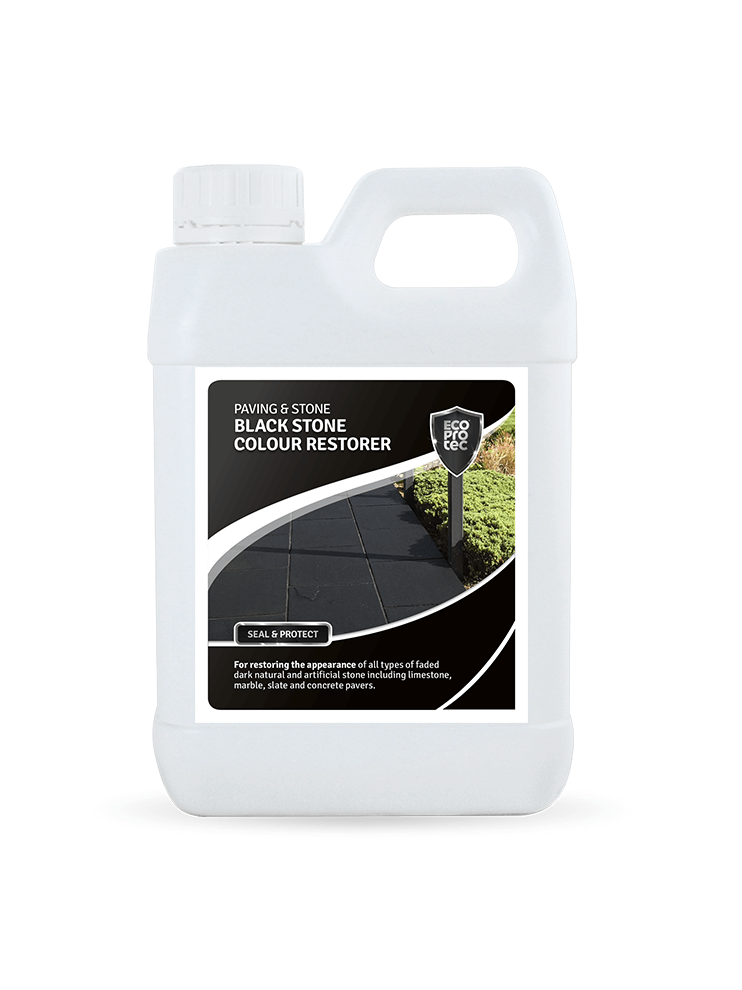
EcoProtec Black Stone Color Restorer & Sealer
-
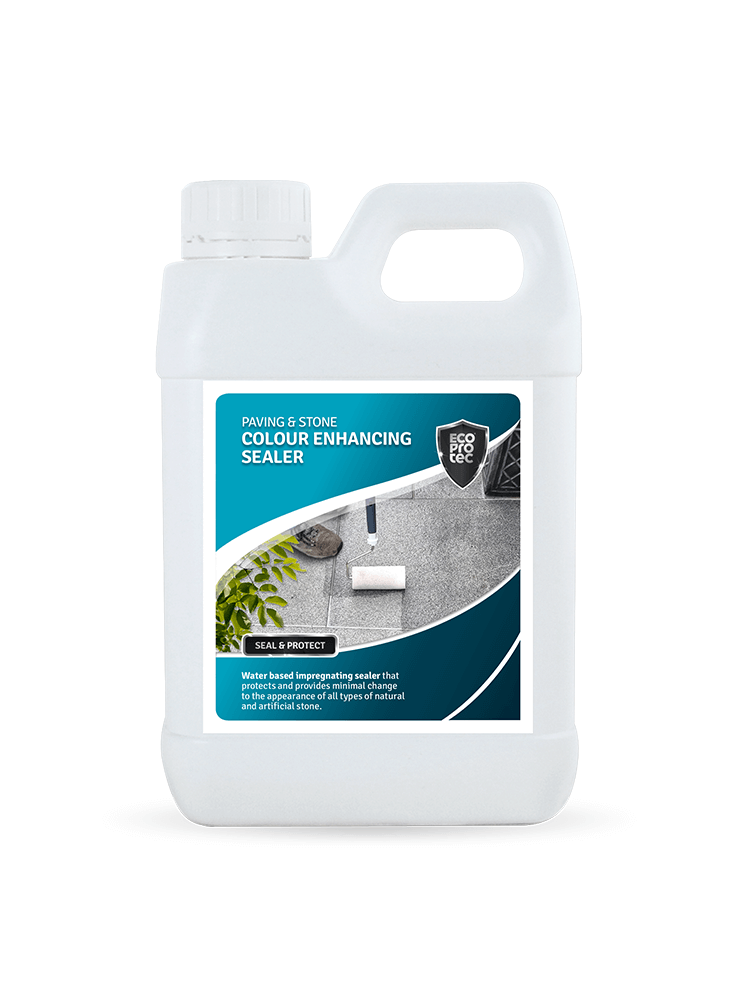
EcoProtec Colour Enhancing Sealer – Water‑Based Impregnating Sealer for Stone & Paving
-
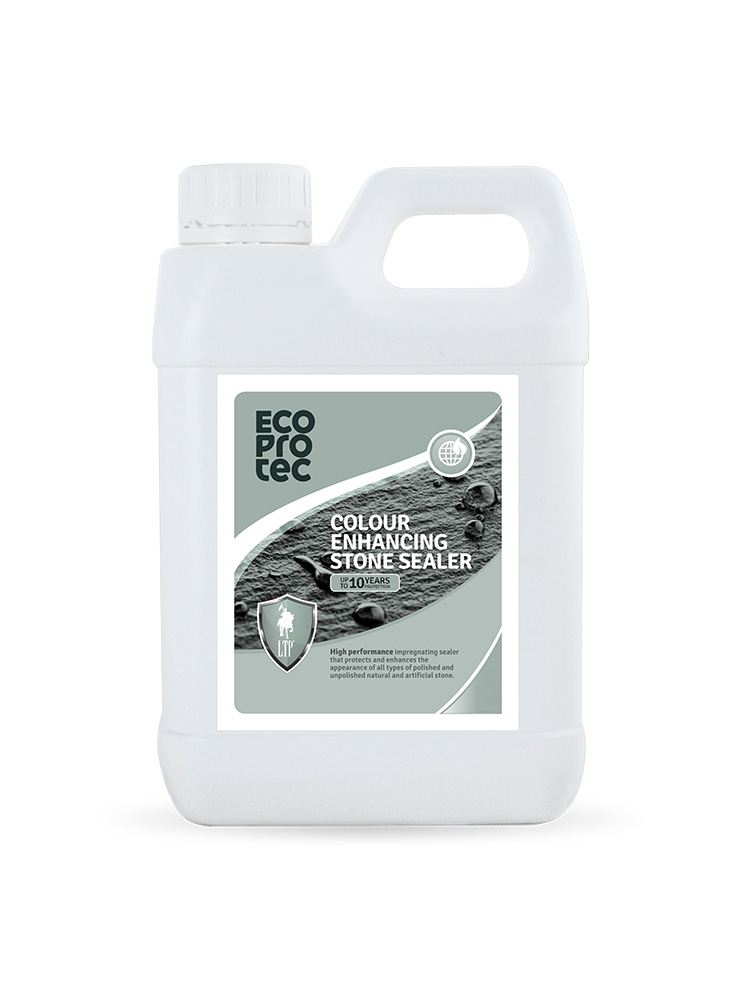
EcoProtec Colour Enhancing Stone Sealer – Water‑Based Impregnating Sealer
-
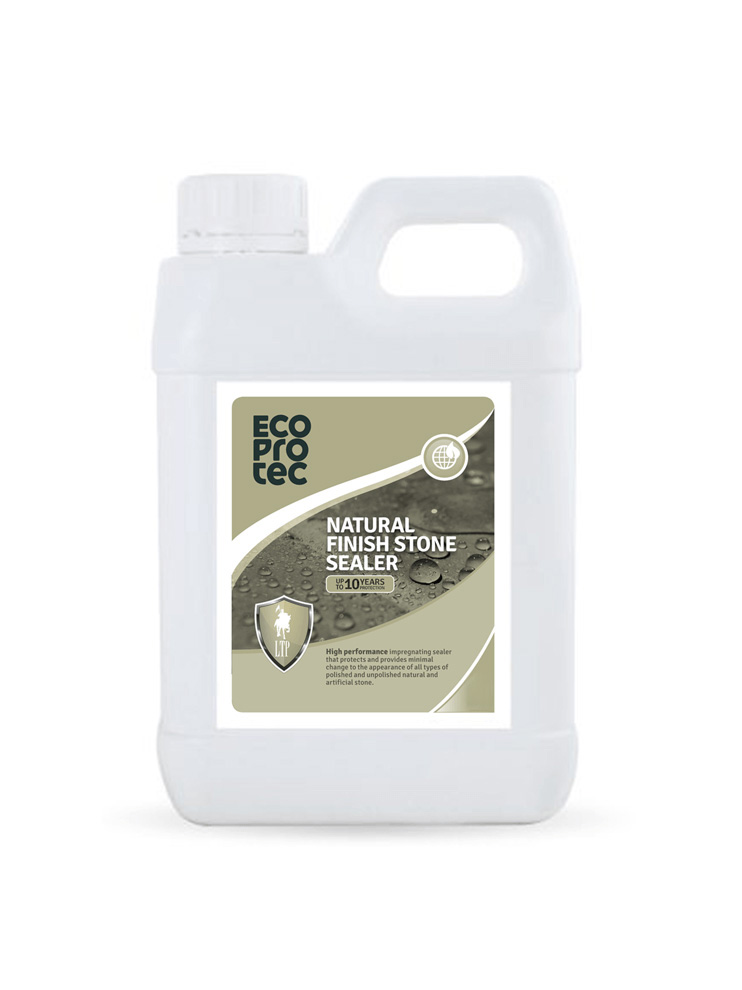
EcoProtec Natural Finish Stone Sealer – Penetrating Protection for Porous Stone & Tile Surfaces
-
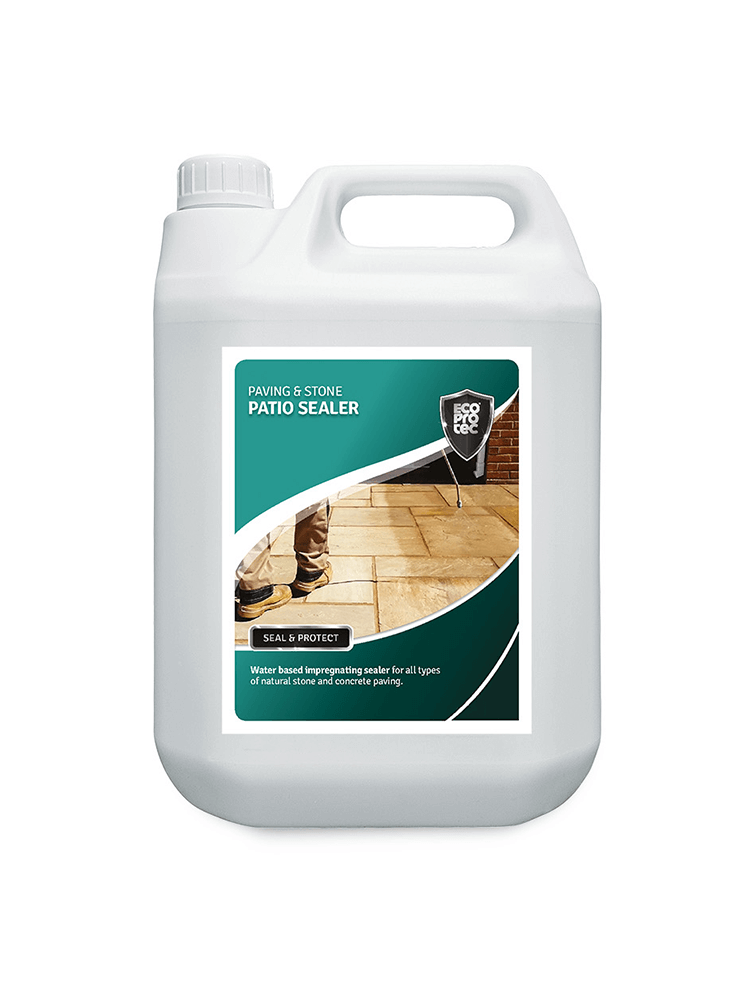
EcoProtec Patio Sealer – Water‑Based Impregnating Sealer for Stone & Concrete Paving