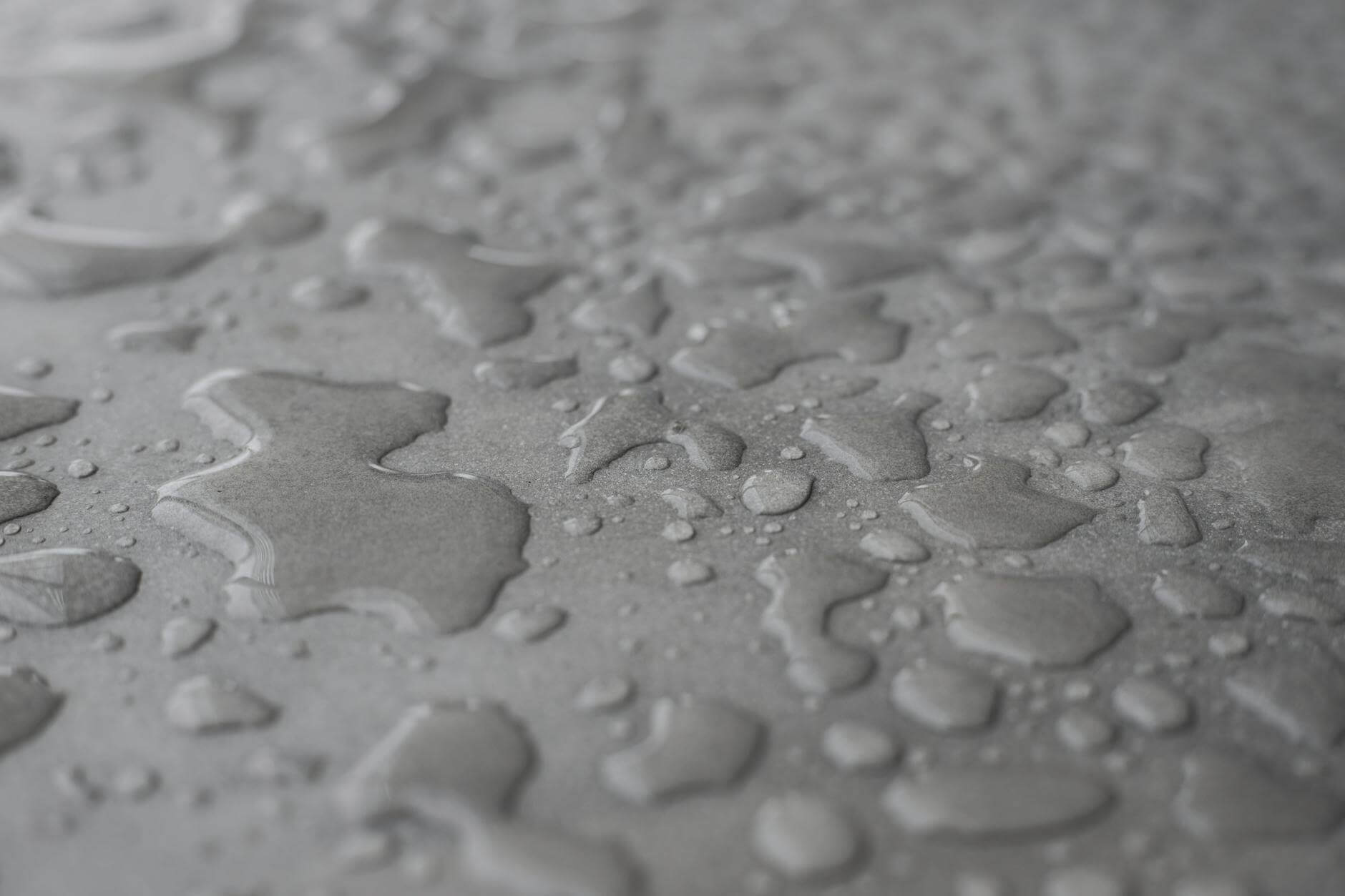
Penetrating sealers, also known as impregnating sealers, are one of the most important tools for protecting natural stone surfaces. Unlike topical sealers that sit on the surface, penetrating sealers absorb into the stone’s pores and create a protective barrier from within. This makes them ideal for marble, granite, limestone, sandstone, and travertine.
Why Penetrating Sealers Are Essential
Natural stone is porous. Even polished marble has microscopic pores that absorb liquids. Without a sealer, spills can quickly turn into stains. Penetrating sealers reduce absorbency, making the stone more resistant to:
- Oil
- Coffee
- Tea
- Wine
- Grease
- Dirt
- Moisture
How Penetrating Sealers Work
These sealers use advanced molecules that travel deep into the stone. Once inside, they bond with the mineral structure and create a hydrophobic (water‑repelling) and oleophobic (oil‑repelling) barrier.
The best part? They do not change the appearance of the stone. The finish remains natural — no shine, no film, no residue.
Where Penetrating Sealers Are Most Useful
- Kitchen countertops
- Bathroom floors
- Outdoor stone
- Pool areas
- High‑traffic commercial spaces
- Marble and limestone (highly porous)
How Often Should You Seal Stone?
Most stones should be sealed every 6–12 months, depending on usage. Outdoor stone may require more frequent sealing due to weather exposure.
Penetrating sealers are the foundation of long‑term stone protection. They make cleaning easier, prevent stains, and extend the life of your stone surfaces.
Recommended Products
-

Klindex Kristallux Marble & Terrazzo Crystallization Liquid
-
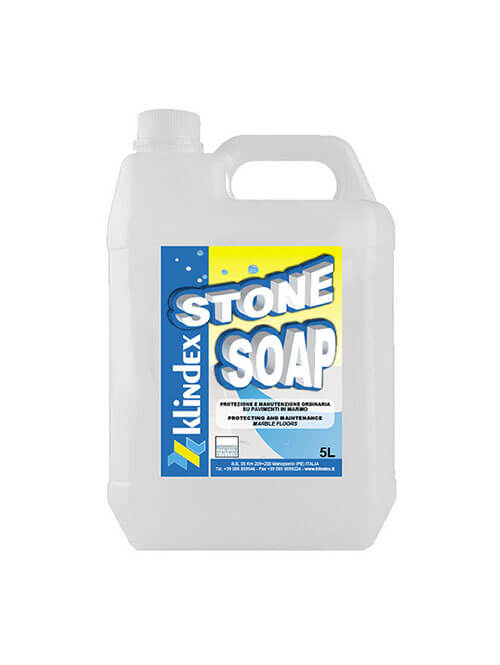
Klindex Stone Soap Daily Cleaner & Conditioning Sealer
-
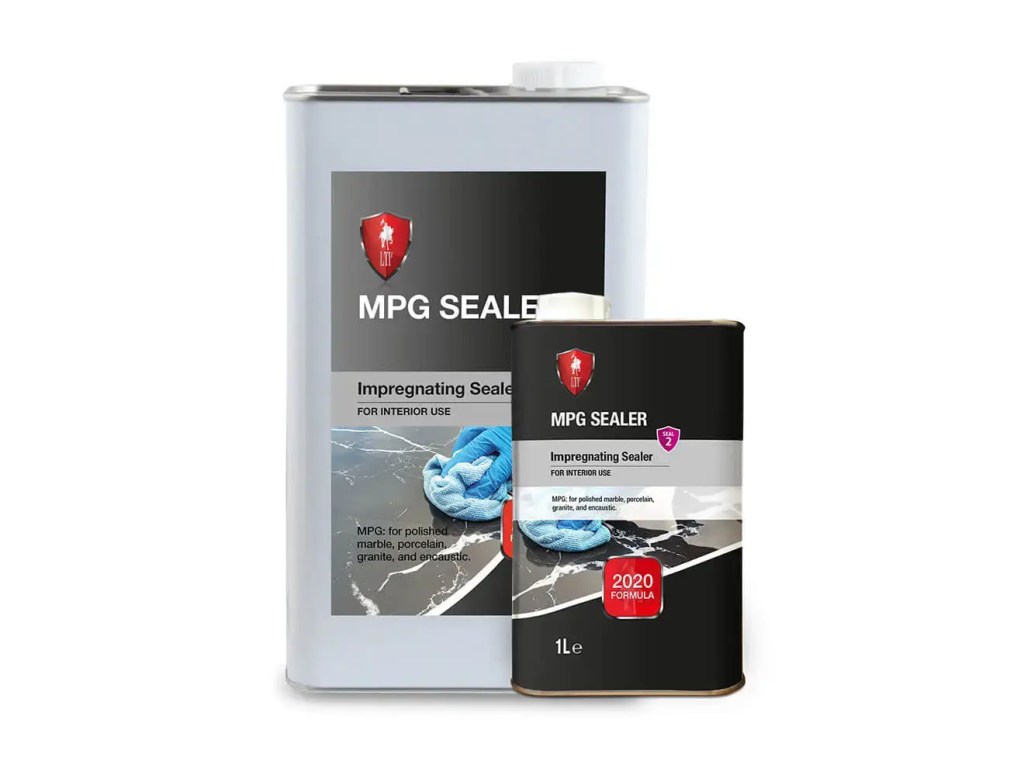
LTP MPG Sealer – Polished Marble, Porcelain & Granite Sealer
-

Shelber Sealer ECO PLUS S1337 Water‑Based Impregnating Sealer
-

Stretch Film – High‑Quality Plastic Wrapping Roll
-

Waterproof Coating – Two‑Component Cementitious System
-
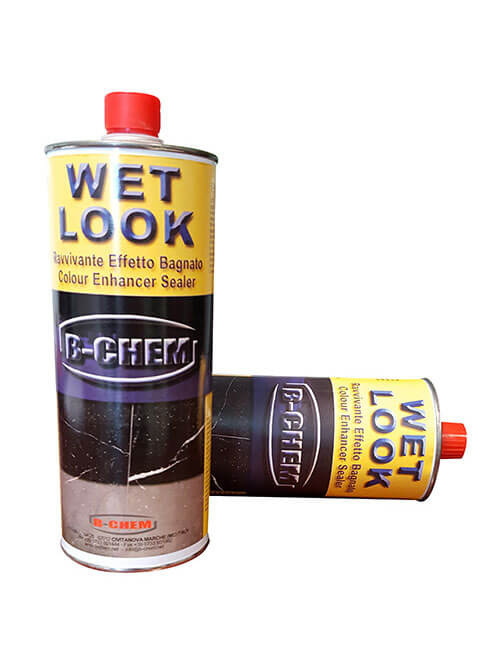
Wet Look – Italian Stone Sealer & Color Enhancer