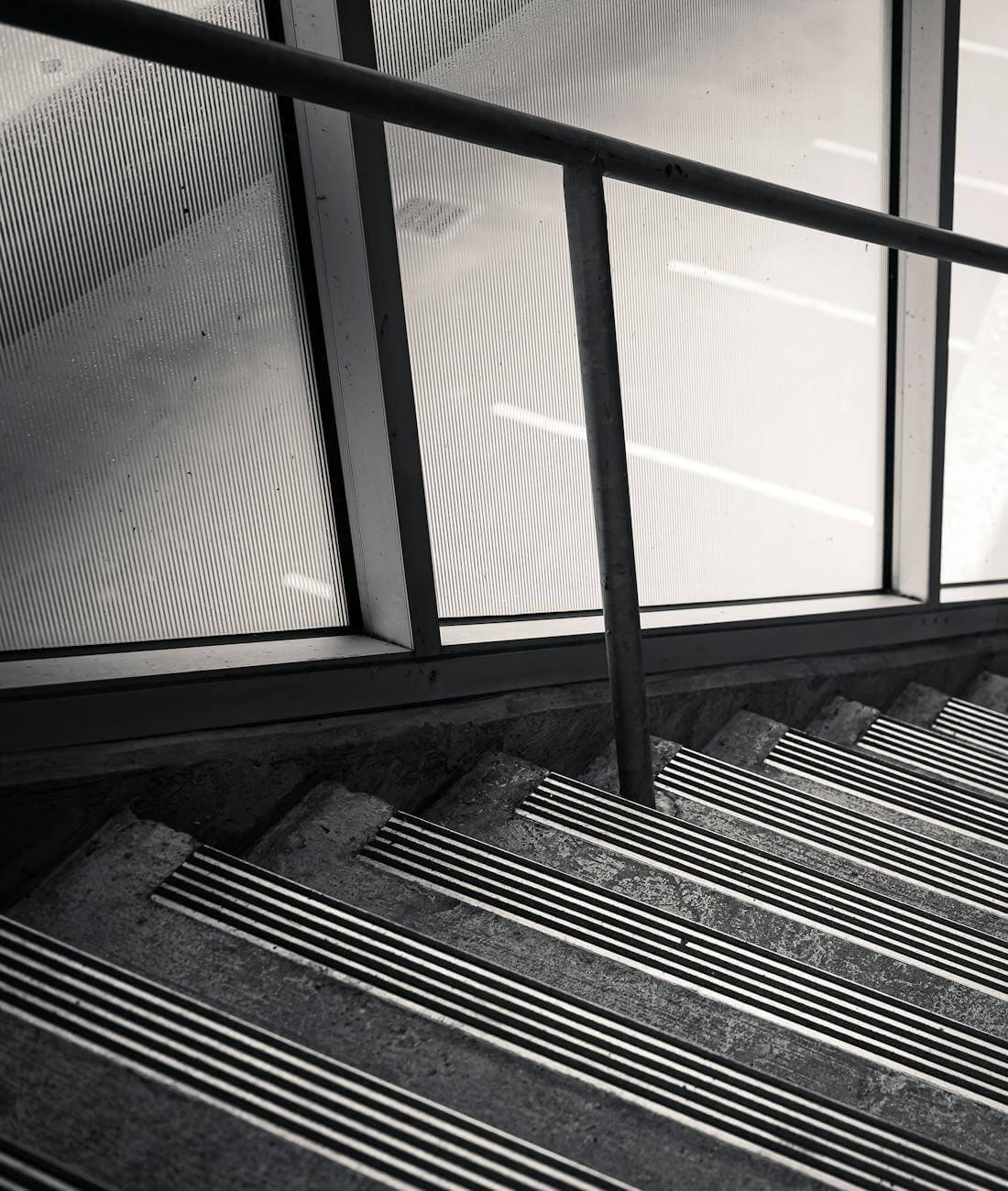
Stair nosing and edge protection systems are essential components of modern building design. They improve safety, protect stair edges from damage, enhance durability, and contribute to the overall aesthetic of the space. Whether in commercial buildings, residential towers, schools, hospitals, malls, or industrial facilities, stair nosing plays a critical role in preventing slips, reducing wear, and ensuring compliance with safety standards.
In the UAE, where foot traffic is heavy and building codes emphasize safety, stair nosing is not optional — it is a requirement. This long‑form guide explores everything you need to know about stair nosing and edge protection systems, including types, materials, installation methods, and how to choose the right system for your project.
Why Stair Nosing Matters
1. Slip Prevention
Stairs are one of the most common locations for slips and falls. Stair nosing provides:
- Anti-slip inserts
- High-traction surfaces
- Better visibility
This reduces accidents significantly.
2. Edge Protection
Stair edges are vulnerable to:
- Chipping
- Cracking
- Wear
- Impact damage
Nosing protects the edge and extends the life of the stairs.
3. Improved Durability
Stair nosing absorbs impact and reduces wear on the stair surface.
4. Aesthetic Enhancement
Modern stair nosing comes in:
- Aluminum
- Stainless steel
- Brass
- PVC
- Rubber
With various colors and finishes.
5. Compliance with Safety Standards
Many building codes require stair nosing for safety.
Types of Stair Nosing
1. Aluminum Stair Nosing
The most popular type.
Advantages:
- Durable
- Lightweight
- Corrosion-resistant
- Suitable for high-traffic areas
Best for:
- Malls
- Schools
- Hospitals
- Offices
2. Stainless Steel Stair Nosing
Used in heavy-duty environments.
Advantages:
- Extremely strong
- Scratch-resistant
- Long lifespan
Best for:
- Industrial facilities
- Airports
- Outdoor areas
3. PVC Stair Nosing
Affordable and flexible.
Advantages:
- Cost-effective
- Easy to install
- Available in many colors
Best for:
- Residential buildings
- Light commercial use
4. Rubber Stair Nosing
Provides excellent traction.
Advantages:
- Slip-resistant
- Soft underfoot
- Ideal for wet areas
Best for:
- Gyms
- Pools
- Schools
Anti-Slip Inserts
Stair nosing often includes anti-slip inserts made from:
- Rubber
- PVC
- Carborundum
- Aluminum grip tape
- Heskins anti-slip strips
These inserts improve traction and visibility.
Installation Methods
1. Surface-Mounted Nosing
Installed directly on the stair surface.
Advantages:
- Easy installation
- Suitable for renovations
2. Recessed Nosing
Installed into a groove in the stair.
Advantages:
- Flush finish
- Better aesthetics
3. Adhesive Installation
Used for PVC and rubber nosing.
4. Screw Installation
Used for aluminum and steel nosing.
Where Stair Nosing Should Be Installed
- Commercial buildings
- Schools
- Hospitals
- Hotels
- Residential towers
- Industrial facilities
- Outdoor staircases
Maintenance Tips
- Clean regularly
- Replace worn inserts
- Tighten screws annually
- Inspect for damage
Conclusion
Stair nosing and edge protection systems are essential for safety, durability, and aesthetics. With the right system, buildings become safer, more attractive, and more compliant with safety standards.
Recommended Products
-

Aluminum Stair Nosing With Carborundum Insert MSSNC-62
-
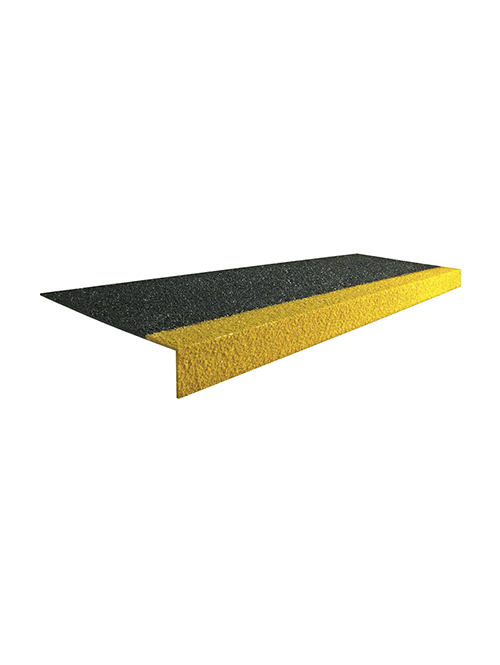
Anti‑Slip Stair Tread Covers – Heavy‑Duty Safety Step Protection
-
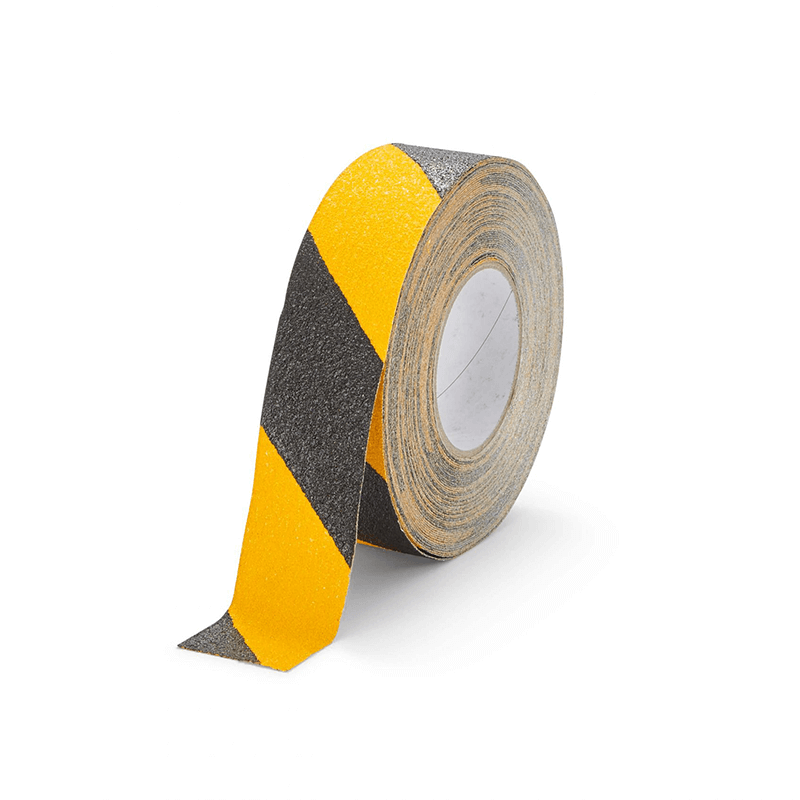
Black & Yellow Anti‑Slip Tape – High‑Visibility Safety Grip
-
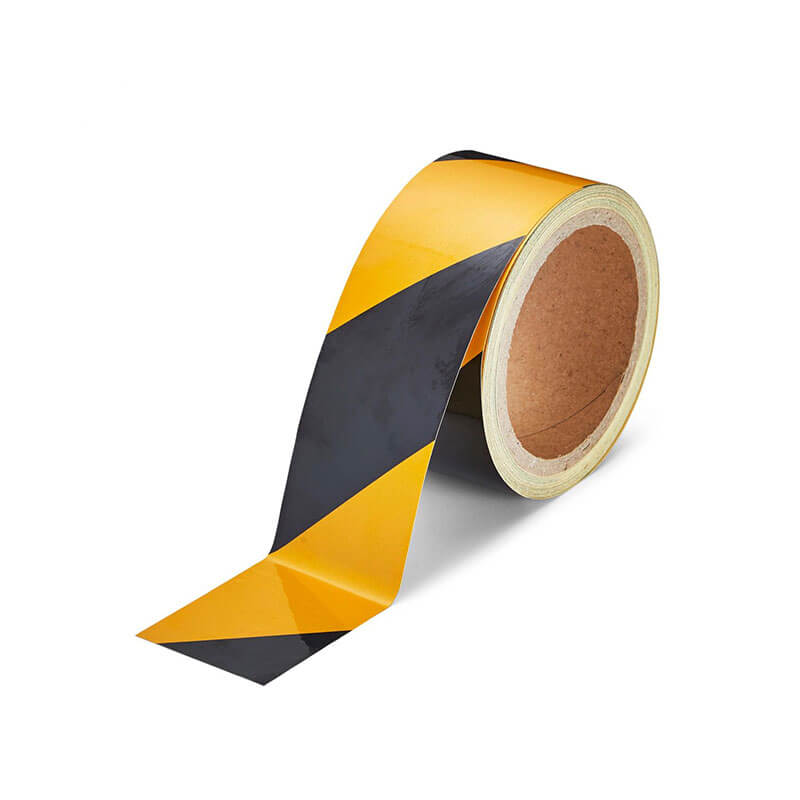
Black & Yellow Reflective Tape – High‑Visibility Safety Marking
-
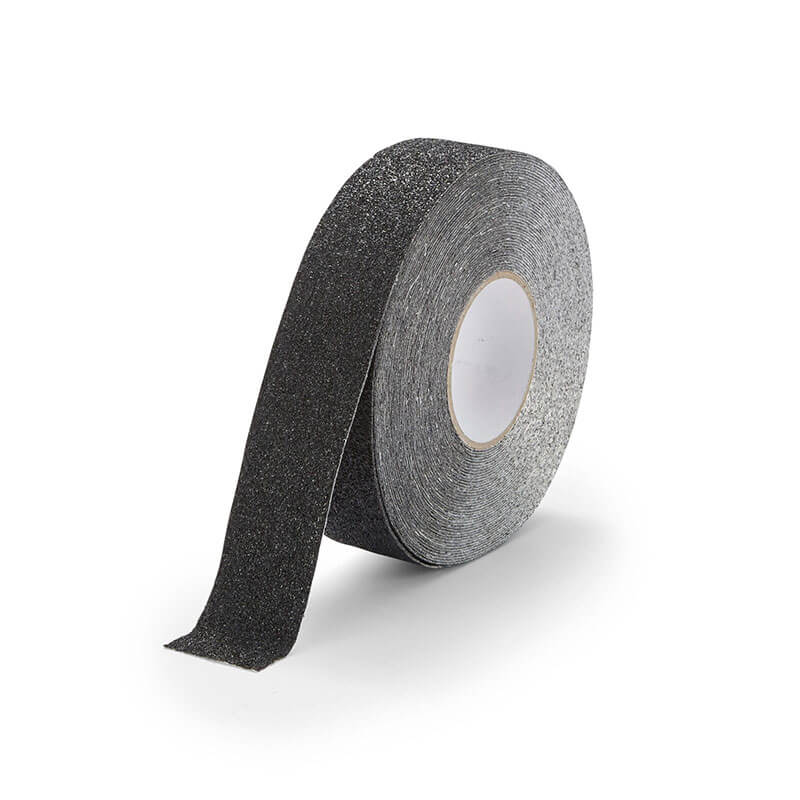
Black Anti‑Slip Tape – Safety Grip Roll
-
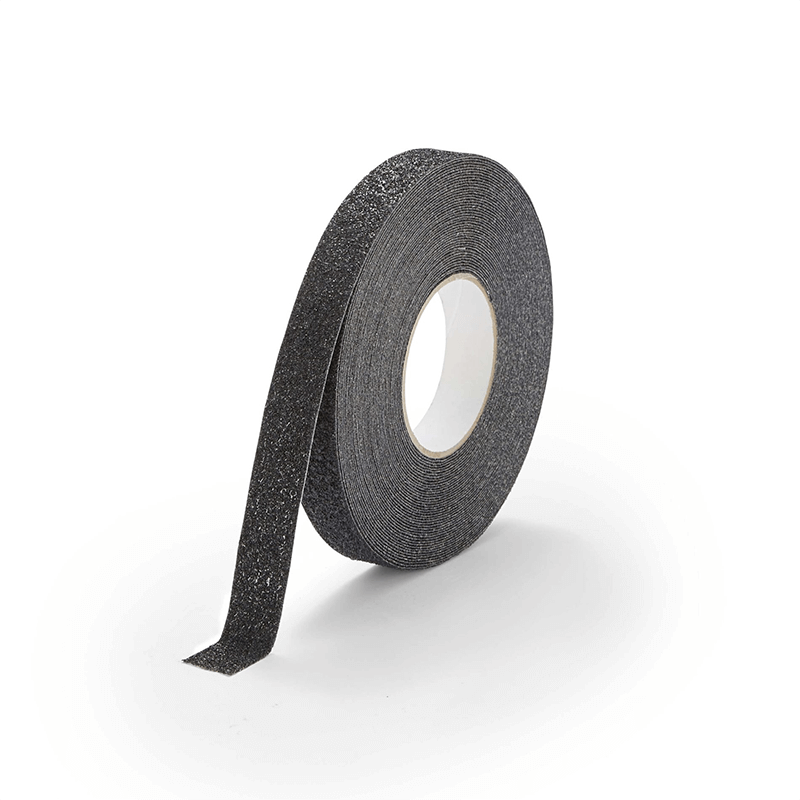
Black Coarse Anti‑Slip Tape – Heavy‑Duty 36 Grit Safety Grip Tape
-
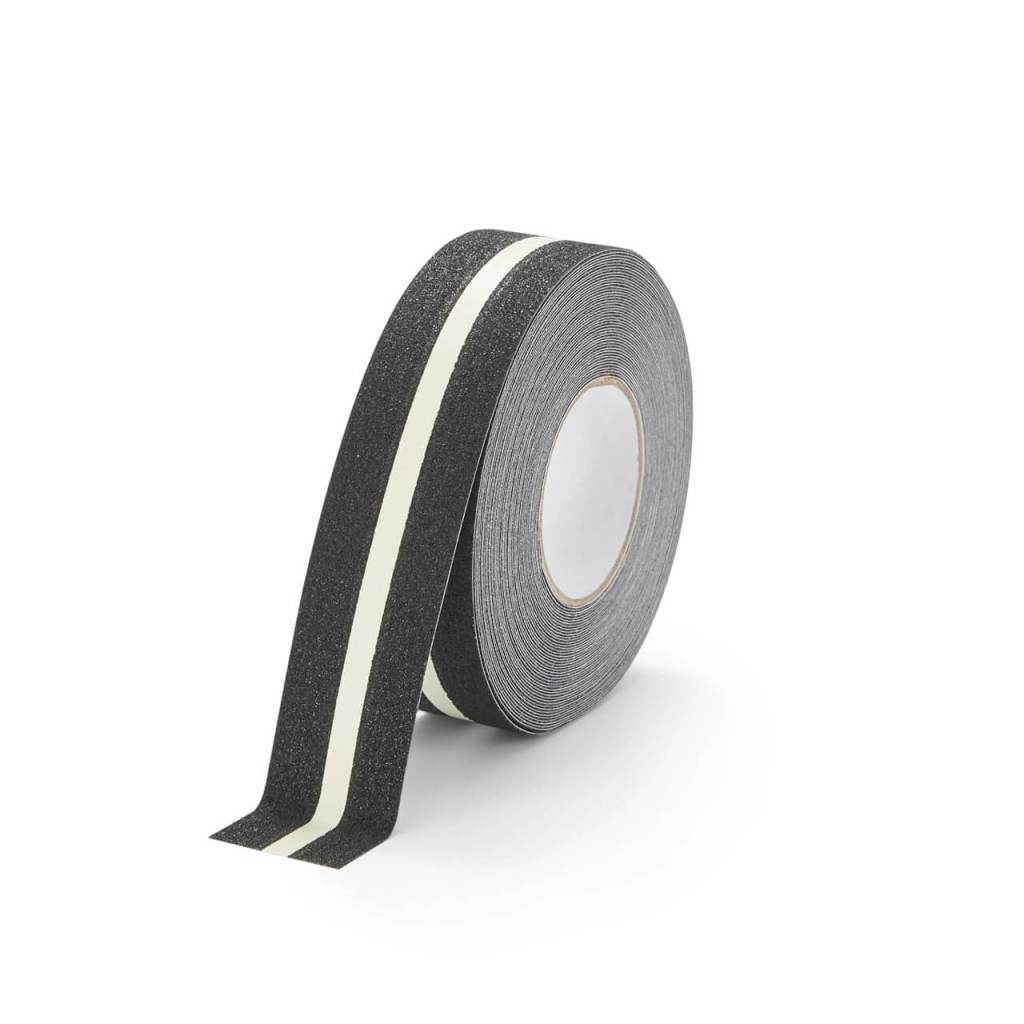
Black Glow Anti‑Slip Safety Grip Tape – High‑Visibility Slip‑Resistance for Steps, Ramps & Walkways
-
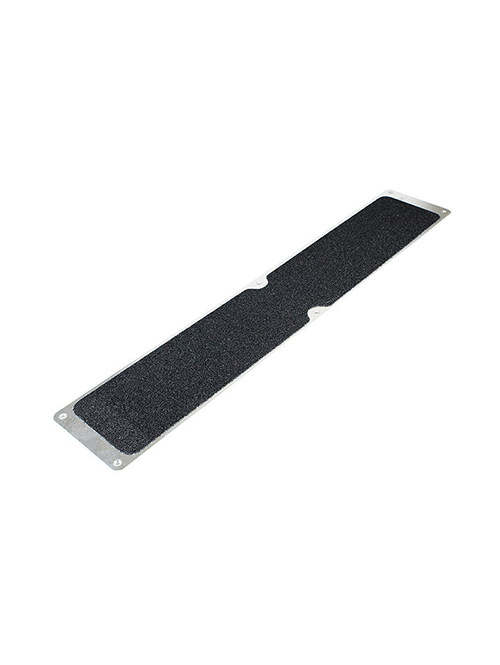
Bolt Down Anti‑Slip Plates – Heavy‑Duty External Safety Grip Plates