
Concrete is one of the most widely used building materials in the world, valued for its strength, durability, and versatility. But despite its toughness, concrete is far from indestructible. It is porous, absorbent, and vulnerable to moisture, stains, chemical exposure, and surface deterioration. Without proper sealing and waterproofing, concrete can crack, discolor, weaken, and fail prematurely.
In the UAE, where humidity, heat, and outdoor exposure are constant challenges, concrete protection is essential. Whether it’s a villa driveway, a warehouse floor, a parking deck, a balcony slab, or a commercial walkway, sealing and waterproofing concrete dramatically extends its lifespan and reduces maintenance costs.
This long‑form guide explores everything you need to know about concrete sealer and waterproof systems — how they work, where they are used, the different types available, application techniques, and how to choose the right system for your project.
Why Concrete Needs Sealing and Waterproofing
Concrete may look solid, but it contains thousands of microscopic pores. These pores absorb:
- Water
- Oils
- Dirt
- Chemicals
- Salts
- Stains
Over time, this leads to:
Moisture Damage
Water penetration causes cracking, spalling, and efflorescence.
Staining
Oil, grease, and dirt penetrate deeply into unsealed concrete.
Surface Wear
Foot traffic and vehicles erode the surface.
Chemical Damage
Cleaning agents, fertilizers, and industrial chemicals degrade concrete.
Freeze‑Thaw Damage
In colder climates, water expands inside the pores and causes cracking.
Mold and Algae Growth
Moisture trapped in concrete encourages biological growth.
Sealing and waterproofing prevent these issues by creating a protective barrier.
Where Concrete Sealers and Waterproofing Are Used
Concrete protection is essential across residential, commercial, and industrial environments.
Residential
- Driveways
- Patios
- Balconies
- Garages
- Garden pathways
Commercial
- Malls
- Hotels
- Restaurants
- Retail stores
- Office buildings
Industrial
- Warehouses
- Factories
- Workshops
- Logistics centers
Infrastructure
- Parking decks
- Walkways
- Public plazas
- Outdoor seating areas
Types of Concrete Sealers
Concrete sealers fall into two main categories: penetrating sealers and surface sealers.
1. Penetrating Sealers
Penetrating sealers absorb into the concrete and form a protective barrier below the surface. They do not change the appearance of the concrete.
Silane Sealers
Excellent for outdoor use due to deep penetration.
Siloxane Sealers
Ideal for driveways, walkways, and vertical surfaces.
Siliconate Sealers
Used for dustproofing and light waterproofing.
Fluoropolymer Sealers
Provide strong stain resistance.
Best For
- Driveways
- Parking decks
- Outdoor walkways
- Balconies
- Exposed concrete
Advantages
- Long‑lasting
- Breathable
- UV‑resistant
- Natural appearance
Brands like LTP, EcoProtec, B‑Chem, and Shelber offer high‑quality penetrating sealers.
2. Surface Sealers (Topical Sealers)
Surface sealers form a protective film on top of the concrete.
Acrylic Sealers
Provide a glossy or matte finish.
Polyurethane Sealers
Highly durable and chemical‑resistant.
Epoxy Sealers
Used for indoor floors requiring high performance.
Best For
- Indoor concrete
- Decorative concrete
- Retail spaces
- Showrooms
- Garages
Advantages
- Enhances color
- Adds shine
- Protects against stains
Disadvantages
- Can wear off
- Not ideal for outdoor use
- Requires reapplication
Concrete Waterproofing Systems
Waterproofing is different from sealing. While sealers protect the surface, waterproofing protects the substrate and prevents water penetration entirely.
1. Cementitious Waterproofing
Applied as a slurry or coating.
Best For
- Bathrooms
- Kitchens
- Balconies
- Water tanks
- Wet rooms
Advantages
- Easy to apply
- Strong adhesion
- Cost‑effective
2. Liquid Membrane Waterproofing
Applied with a roller or brush to create a flexible membrane.
Best For
- Rooftops
- Balconies
- Terraces
- Planter boxes
Advantages
- Flexible
- Seamless
- UV‑resistant
3. Sheet Membrane Waterproofing
Installed under tiles or screed.
Best For
- High‑risk wet areas
- Commercial kitchens
- Swimming pool decks
Advantages
- High performance
- Consistent thickness
- Long lifespan
How to Choose the Right Sealer or Waterproof System
Choosing the correct system depends on several factors.
Surface Location
Outdoor surfaces require penetrating sealers. Indoor surfaces may use topical sealers.
Surface Condition
Old or damaged concrete may require repair before sealing.
Desired Appearance
Glossy, matte, or natural finish.
Traffic Level
High‑traffic areas require durable sealers.
Moisture Exposure
Wet areas require waterproofing, not just sealing.
Application Process
Step 1: Clean the Surface
Use cleaners from LTP, EcoProtec, or B‑Chem.
Remove:
- Dirt
- Oil
- Grease
- Stains
- Old coatings
Step 2: Repair Cracks
Use concrete fillers or patching compounds.
Step 3: Ensure the Surface Is Dry
Moisture trapped under sealers causes failure.
Step 4: Apply the Sealer or Waterproofing
Use a roller, brush, or sprayer.
Step 5: Allow Proper Curing
Curing times vary from 2 to 24 hours.
Maintenance of Sealed Concrete
Use pH‑Neutral Cleaners
Avoid acidic or harsh chemicals.
Reapply as Needed
Penetrating sealers last 3–7 years. Topical sealers last 1–3 years.
Avoid Abrasive Pads
Use soft brushes or microfiber.
Clean Spills Quickly
Especially oil and grease.
Common Mistakes to Avoid
- Applying sealer on wet concrete
- Using topical sealer outdoors
- Not cleaning the surface properly
- Over‑applying sealer
- Using acidic cleaners on sealed concrete
- Ignoring cracks before sealing
Conclusion
Concrete sealer and waterproof systems are essential for protecting surfaces from moisture, stains, and long‑term damage. With the right products, proper application, and regular maintenance, concrete surfaces can remain strong, durable, and visually appealing for many years. Whether used in residential, commercial, or industrial environments, sealing and waterproofing are critical steps in ensuring long‑term performance.
Recommended Products
-
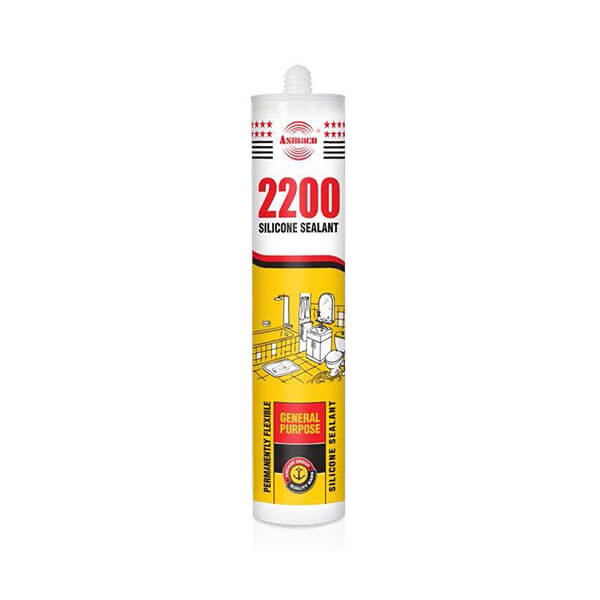
ASMACO 2200 Silicone Sealant – General Purpose Acetic Cure
-
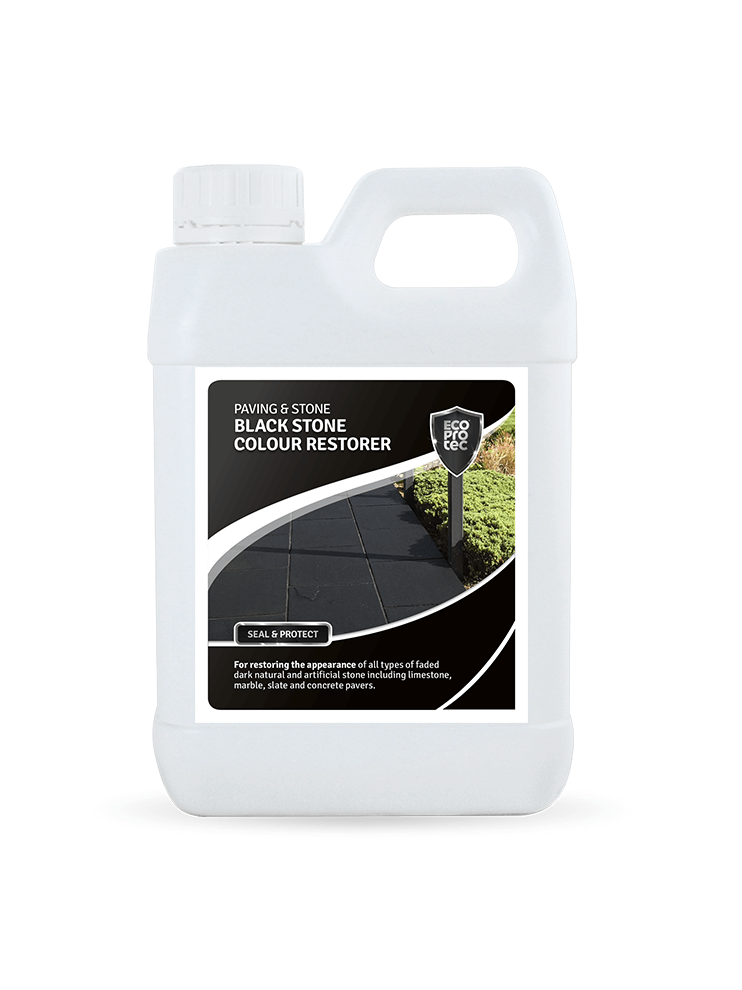
EcoProtec Black Stone Color Restorer & Sealer
-
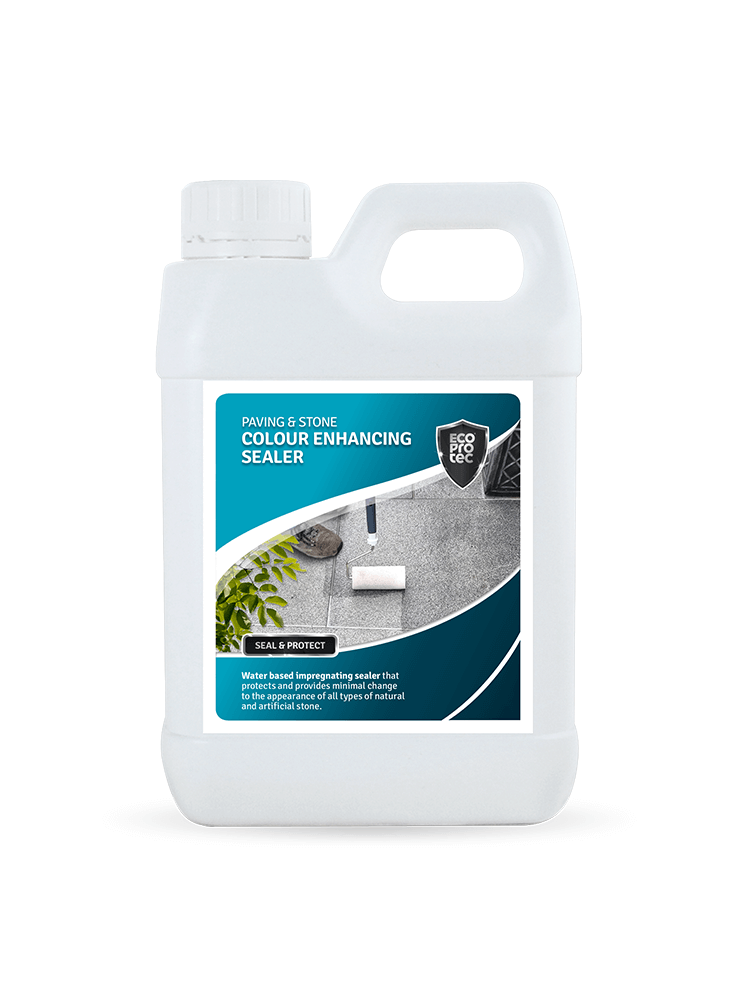
EcoProtec Colour Enhancing Sealer – Water‑Based Impregnating Sealer for Stone & Paving
-
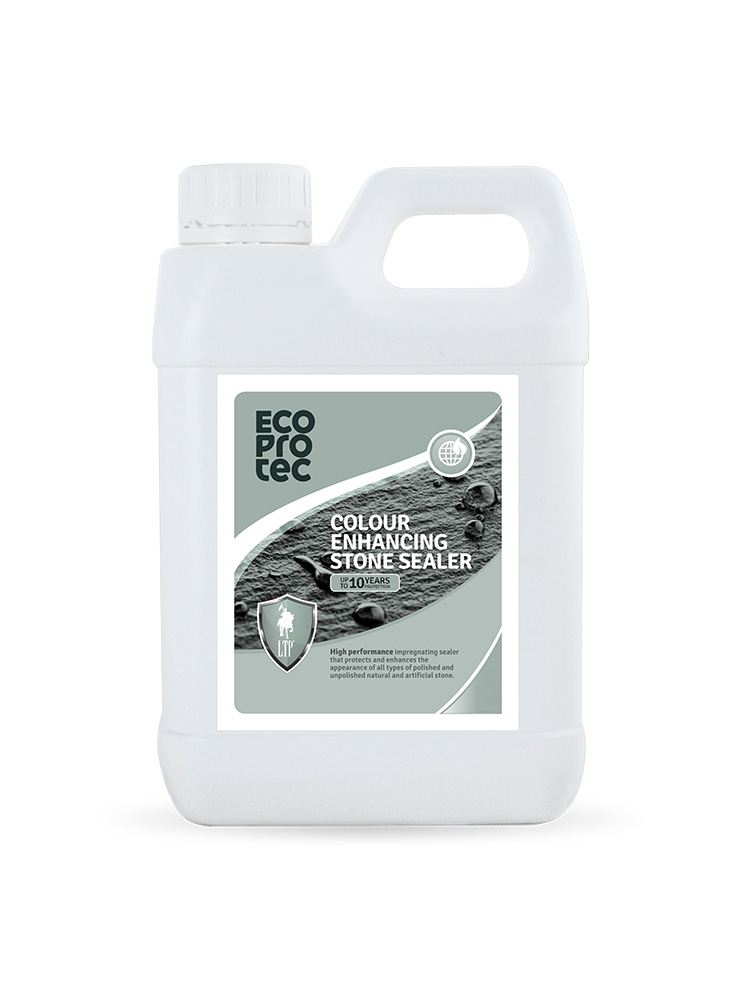
EcoProtec Colour Enhancing Stone Sealer – Water‑Based Impregnating Sealer
-
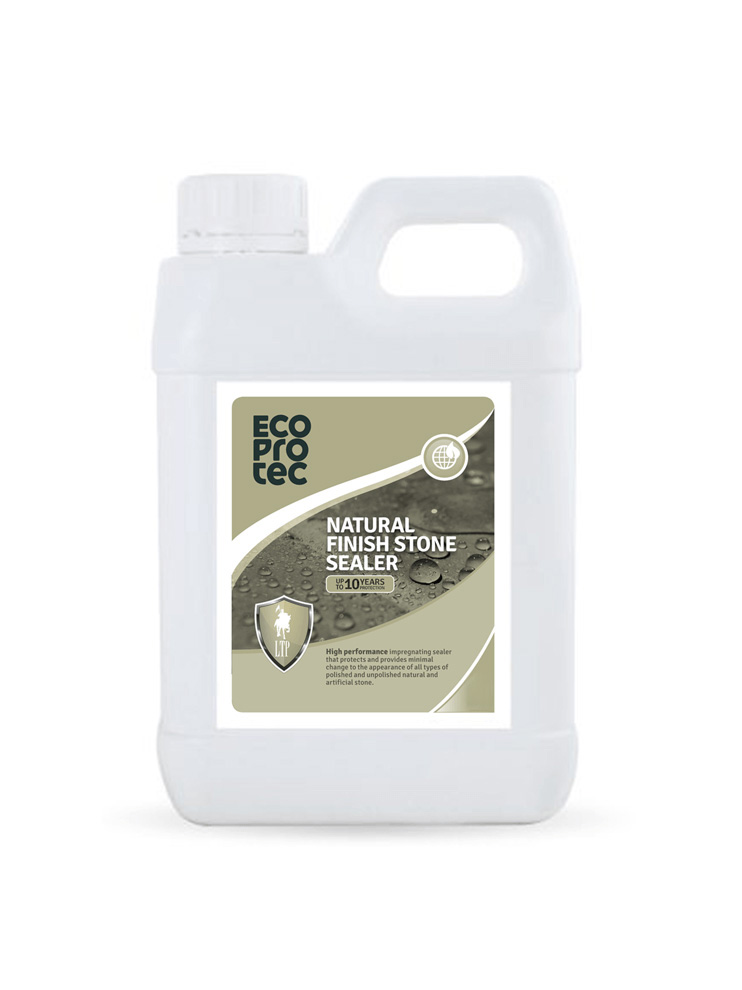
EcoProtec Natural Finish Stone Sealer – Penetrating Protection for Porous Stone & Tile Surfaces
-
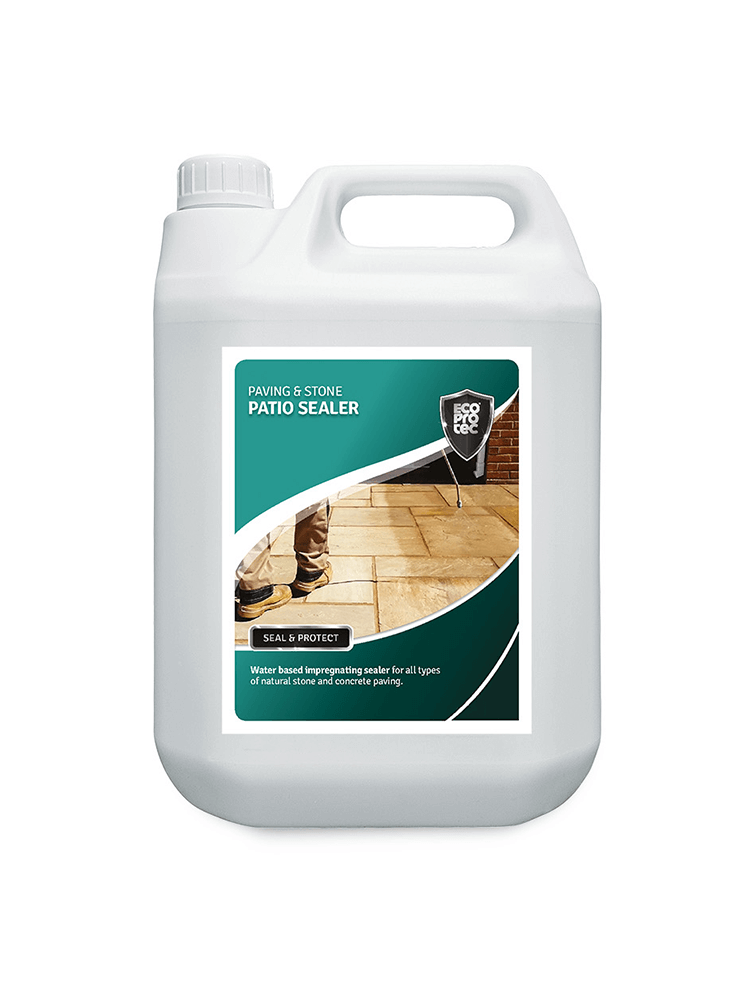
EcoProtec Patio Sealer – Water‑Based Impregnating Sealer for Stone & Concrete Paving
-

EcoProtec Porcelain Paving Enhancer – Water‑Based Surface Enhancer & Protector for Outdoor Porcelain
-
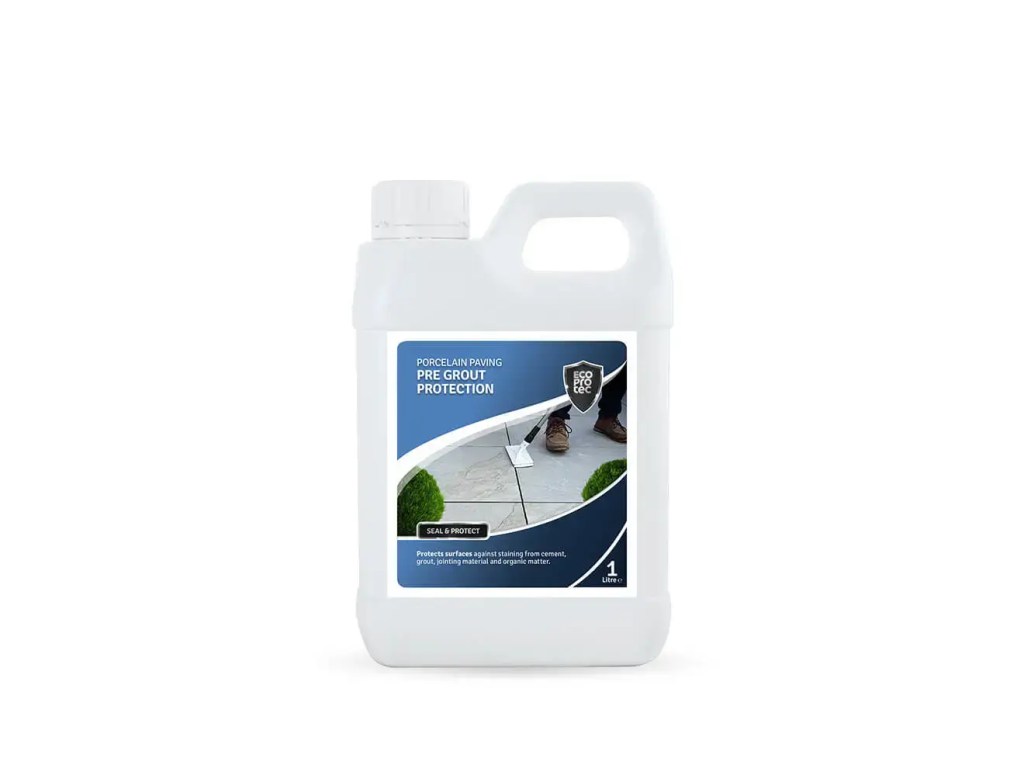
EcoProtec Pre Grout Protection – Water‑Based Pre‑Grout Treatment for Porcelain