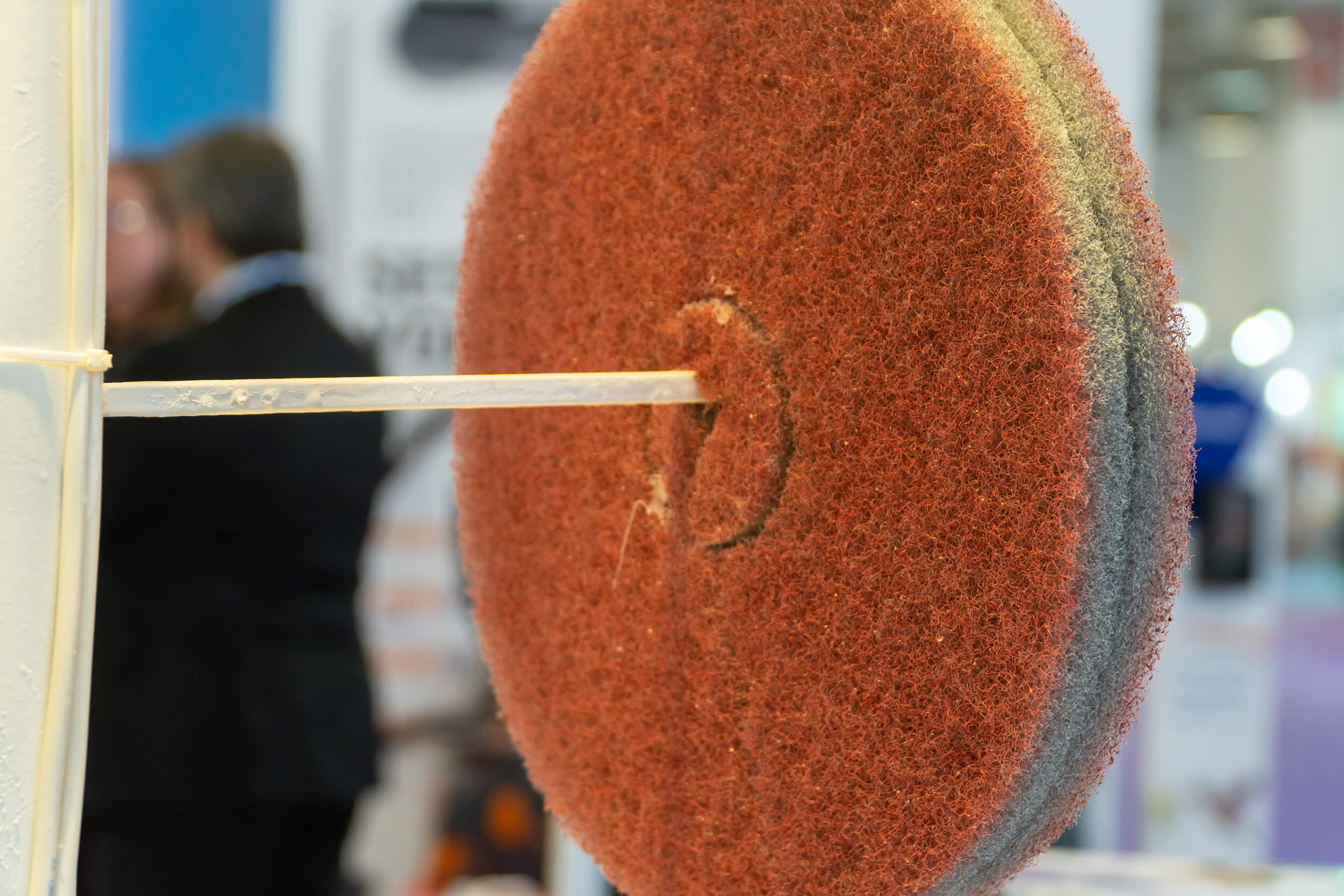
Pads and brushes are essential tools in the maintenance, restoration, and preparation of stone, tile, and concrete surfaces. Whether you are cleaning a heavily soiled floor, polishing marble to a mirror finish, removing old coatings from concrete, or preparing a surface for sealing, the correct pad or brush determines the quality of the result. These tools are used across residential, commercial, and industrial environments, and they play a critical role in achieving professional‑grade finishes.
In the UAE, where stone and tile are widely used in villas, hotels, malls, and public buildings, pads and brushes are indispensable. High foot traffic, sand, humidity, and harsh cleaning routines make proper maintenance essential. This guide explores everything you need to know about pads and brushes: the different types, how they work, where they are used, and how to choose the right tool for each application.
Why Pads & Brushes Matter
Pads and brushes are more than accessories. They are the direct contact point between the machine and the surface. Their performance determines:
- Cleaning effectiveness
- Polishing clarity
- Surface smoothness
- Scratch removal
- Coating removal
- Restoration quality
- Efficiency and speed
Using the wrong pad can damage the surface, reduce shine, or leave swirl marks. Using the right pad ensures a clean, uniform, and professional finish.
Where Pads & Brushes Are Used
Pads and brushes are used across a wide range of materials and environments.
Stone Surfaces
- Marble
- Limestone
- Travertine
- Terrazzo
- Sandstone
Tile Surfaces
- Porcelain
- Ceramic
- Quarry tile
Concrete Surfaces
- Polished concrete
- Industrial concrete
- Decorative concrete
Specialty Surfaces
- Epoxy floors
- Vinyl floors
- Safety flooring
Types of Pads
Pads come in various materials, densities, and grit levels. Each type is designed for a specific task.
1. Cleaning Pads
Cleaning pads are used for daily and periodic maintenance.
White Pads
The softest pad available.
Best for:
- Light cleaning
- Buffing
- Polished stone
- Sealed surfaces
Advantages:
- Gentle
- Non‑abrasive
- Safe for delicate surfaces
Red Pads
Slightly more aggressive than white pads.
Best for:
- Daily cleaning
- Light scrubbing
- Removing light scuff marks
Blue Pads
Medium‑strength cleaning pad.
Best for:
- Regular scrubbing
- Removing dirt buildup
- Cleaning textured tiles
Green Pads
Aggressive cleaning pad.
Best for:
- Deep cleaning
- Removing stubborn dirt
- Preparing surfaces before polishing
Not recommended for:
- Polished marble
- Soft limestone
2. Stripping Pads
Stripping pads are used to remove coatings, sealers, waxes, and heavy buildup.
Black Pads
The most aggressive standard pad.
Best for:
- Removing old sealers
- Stripping wax
- Cleaning heavily soiled concrete
Brown Pads
Even more aggressive than black pads.
Best for:
- Industrial stripping
- Removing thick coatings
3. Diamond Polishing Pads
Diamond pads are used for grinding, honing, and polishing stone and concrete.
Metal‑Bond Diamond Pads
Used for heavy grinding.
Grit range:
- 30
- 50
- 100
Best for:
- Removing deep scratches
- Leveling stone
- Concrete grinding
Brands like Klindex, ISABRASIVI, and SAIT offer high‑performance metal‑bond pads.
Resin‑Bond Diamond Pads
Used for honing and polishing.
Grit range:
- 200
- 400
- 800
- 1500
- 3000
Best for:
- Marble polishing
- Terrazzo polishing
- Concrete polishing
Hybrid Diamond Pads
Combination of metal and resin.
Best for:
- Transitioning between grinding and polishing
- Removing medium scratches
Ceramic Diamond Pads
Used for scratch removal and intermediate polishing.
Best for:
- Marble
- Limestone
- Soft stones
4. Specialty Pads
Melamine Pads
Used for deep cleaning without chemicals.
Best for:
- Porcelain tiles
- Ceramic tiles
- Safety flooring
Crystallization Pads
Used with crystallization liquids for marble.
Best for:
- High‑gloss finishes
- Hotel lobbies
- Commercial spaces
Burnishing Pads
Used for high‑speed polishing.
Colors:
- Beige
- Tan
Best for:
- Achieving high shine
- Polished concrete
- Polished marble
Types of Brushes
Brushes are used for cleaning, scrubbing, and surface preparation. They are especially useful for textured surfaces.
1. Soft Nylon Brushes
Best for:
- Daily cleaning
- Polished stone
- Delicate surfaces
2. Medium Nylon Brushes
Best for:
- Regular scrubbing
- Removing dirt buildup
- Cleaning textured tiles
3. Hard Nylon Brushes
Best for:
- Deep cleaning
- Outdoor tiles
- Rough stone
4. Tynex Brushes
Tynex is a nylon filament impregnated with abrasive grains.
Best for:
- Heavy scrubbing
- Removing coatings
- Cleaning rough concrete
5. Diamond Brushes
Diamond‑impregnated brushes are used for antiquing and texturing stone and concrete.
Best for:
- Creating antique finishes
- Enhancing texture
- Outdoor surfaces
Brands like Klindex and ISABRASIVI produce high‑quality diamond brushes.
How to Choose the Right Pad or Brush
Choosing the correct tool depends on several factors.
Surface Type
Marble requires softer pads than concrete.
Surface Condition
Heavily scratched surfaces require diamond pads.
Desired Finish
High gloss, matte, or textured.
Machine Type
Single‑disc, planetary, or high‑speed burnisher.
Cleaning or Polishing Goal
Daily cleaning vs restoration.
How Pads & Brushes Are Used in Professional Workflows
Daily Cleaning
Use white or red pads, or soft nylon brushes.
Deep Cleaning
Use green pads or medium nylon brushes.
Stripping
Use black or brown pads.
Grinding
Use metal‑bond diamond pads.
Honing
Use resin‑bond diamond pads (200–800 grit).
Polishing
Use resin‑bond pads (1500–3000 grit) or polishing pads with liquids.
Burnishing
Use beige or tan pads.
Antiquing
Use diamond brushes.
Maintenance of Pads & Brushes
Proper maintenance extends the life of pads and brushes.
Clean After Each Use
Rinse with water to remove dirt and slurry.
Dry Properly
Avoid storing pads while wet.
Rotate Pads
Use both sides to extend lifespan.
Replace When Worn
Worn pads reduce performance.
Store Flat
Avoid bending or folding pads.
Common Mistakes to Avoid
- Using aggressive pads on polished stone
- Using diamond pads without proper grit sequence
- Using brushes on soft limestone
- Polishing without cleaning the surface
- Using the wrong pad for the machine speed
- Skipping rinsing between steps
Conclusion
Pads and brushes are essential tools for cleaning, polishing, and preparing stone, tile, and concrete surfaces. With the right selection, proper technique, and regular maintenance, these tools deliver professional results across residential, commercial, and industrial environments. Whether you are restoring marble, polishing concrete, or deep‑cleaning textured tiles, pads and brushes are the foundation of effective surface care.
Recommended Products
-

17″ Black Floor Pad Premium – Heavy‑Duty Stripping & Scrubbing Pad (430 mm)
-
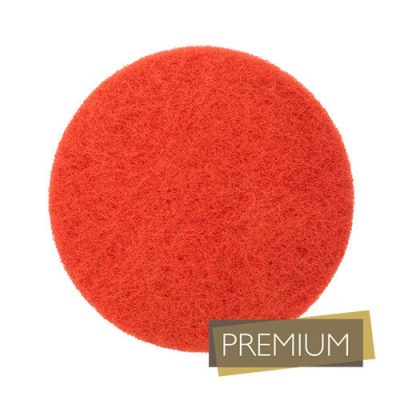
17″ Red Floor Pad Premium – Medium‑Stiff Buffing & Polishing Pad (430 mm)
-
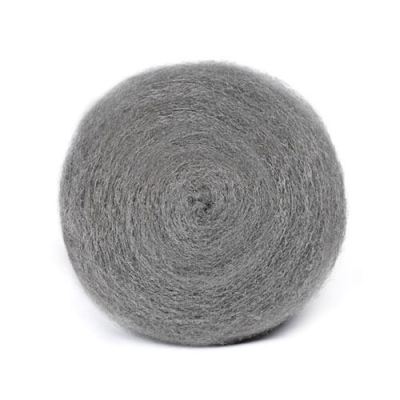
17″ Steel Wool Pad – Grade 0 (Expandable & Thick)
-
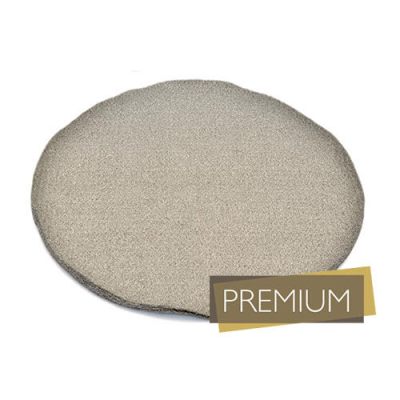
17″ Steel Wool Pad – Grade 0 Premium Polishing Pad (430 mm)
-
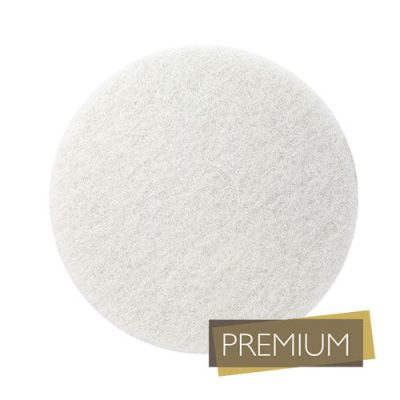
17″ White Floor Pad Premium – Soft Polishing & Maintenance Pad (430 mm)
-
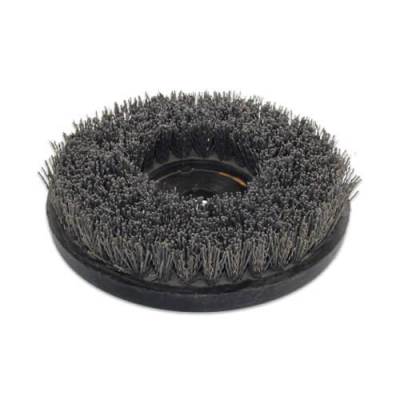
Antique Brush – 25 cm Silicon Carbide Texturing Brush
-

Antique Brush Carbide 17″ – Silicon Carbide Antiquing Brush for Rotary Machines
-
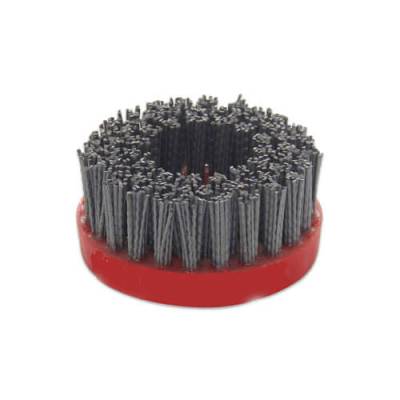
Antique Brush Carbide 4.5″ – Silicon Carbide Texturing Brush for Stone