
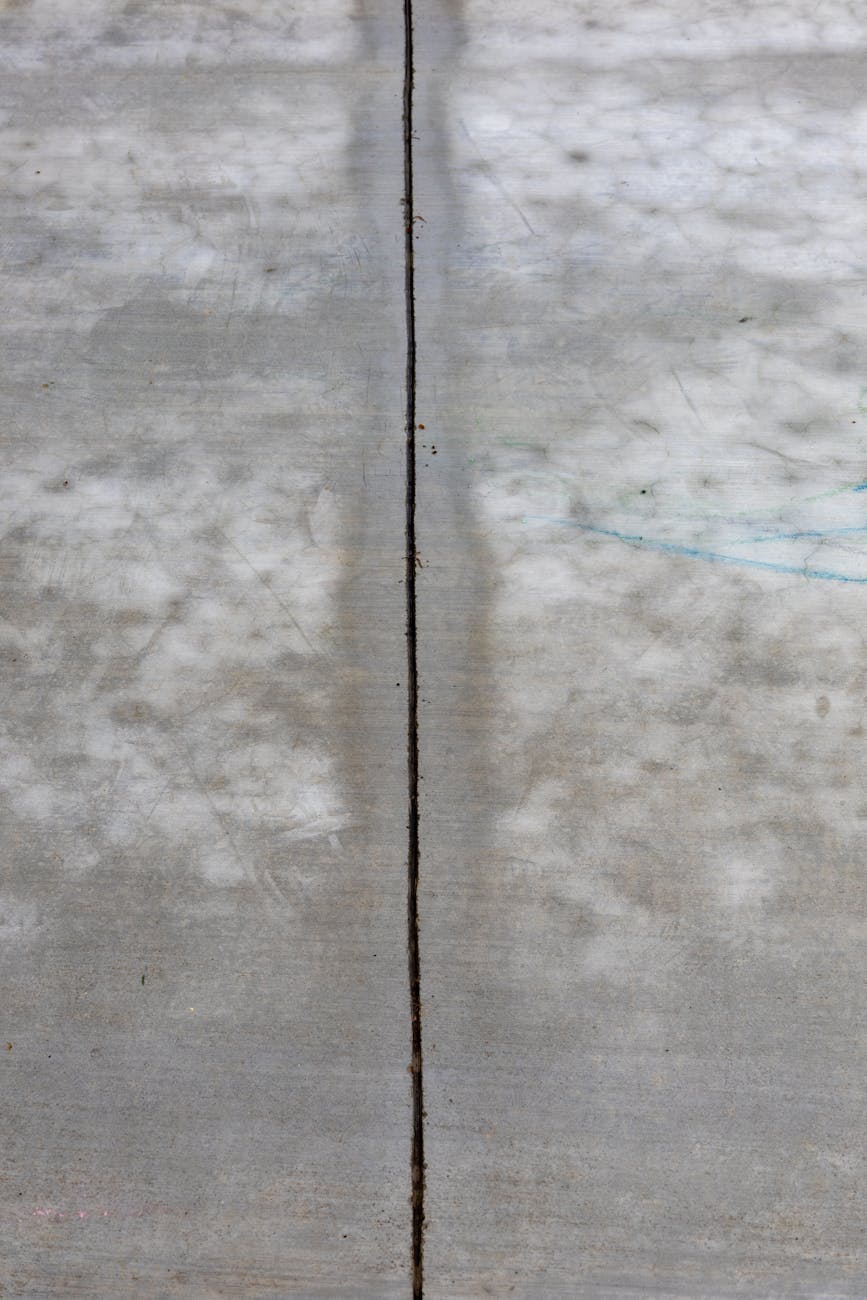
Movement control joints are one of the most important — yet most overlooked — components in tile and stone installations. Floors naturally expand and contract due to temperature changes, humidity, and structural movement. Without proper movement joints, tiles can crack, lift, or debond.
Why Floors Need Movement Joints
1. Thermal Expansion Tiles expand when heated and contract when cooled. Without joints, pressure builds until tiles crack.
2. Structural Movement Buildings shift over time. Movement joints absorb this motion.
3. Moisture Changes Humidity affects substrates like concrete, causing expansion.
4. Preventing Tenting Tenting occurs when tiles push upward due to pressure — movement joints stop this.
Where Movement Joints Should Be Installed
- Every 6–8 meters indoors
- Every 3–4 meters outdoors
- At doorways
- Around columns
- Along perimeters
- Over structural joints
Types of Movement Joints
- PVC movement joints
- Aluminum movement joints
- Rubber insert joints
- Heavy‑duty commercial joints
Movement joints protect your flooring investment and ensure long‑term durability.