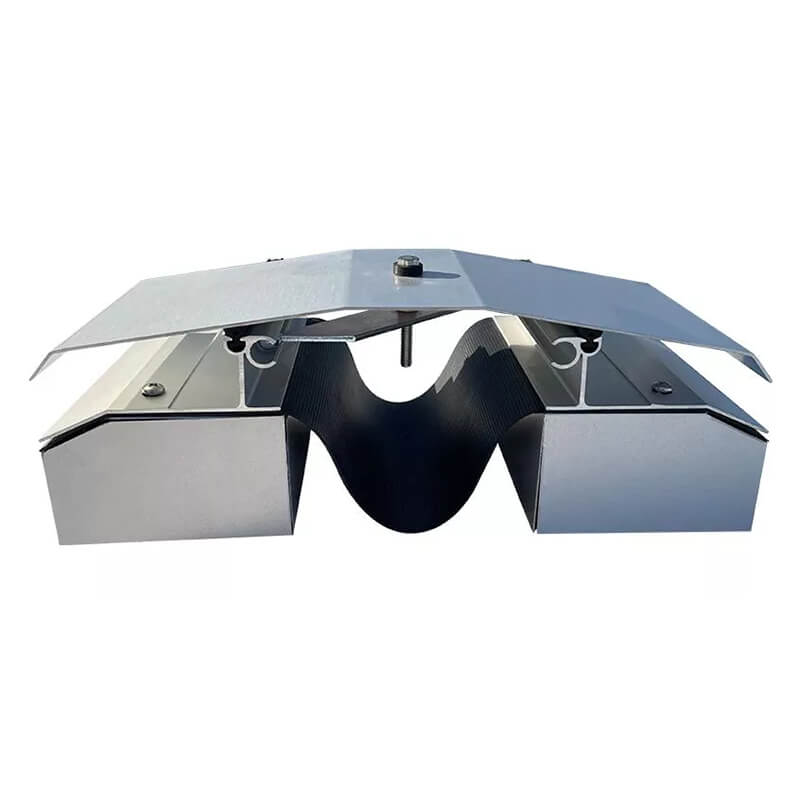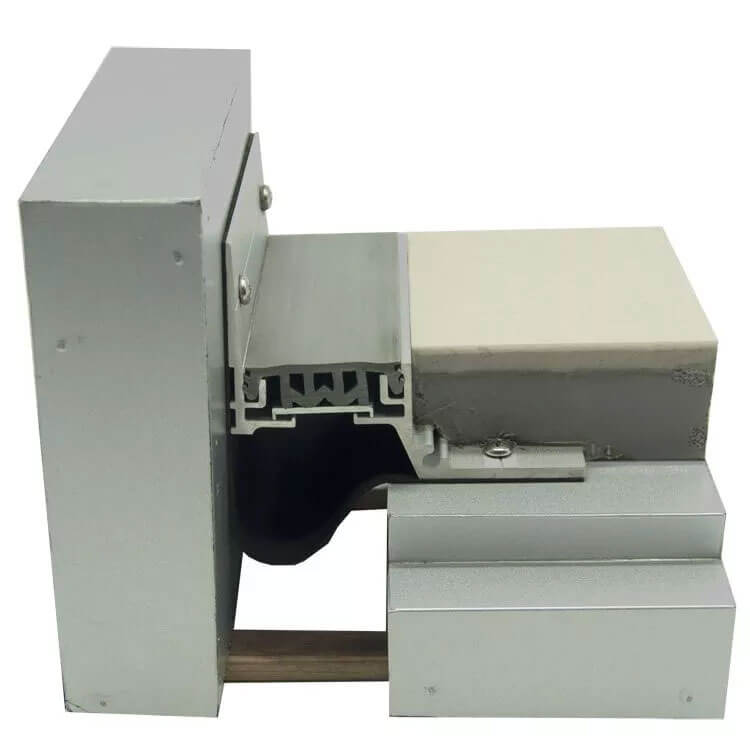

Expansion joint covers are one of the most important — yet often overlooked — components in modern construction. Every building moves. Whether it’s thermal expansion, structural settling, seismic activity, or vibration from traffic and machinery, buildings are constantly shifting. Without proper expansion joint systems, these movements can cause cracks, tile failure, water infiltration, and long‑term structural damage.
Expansion joint covers are designed to bridge the gap between building sections, allowing controlled movement while maintaining a clean, safe, and aesthetically pleasing finish. They are used in malls, airports, hospitals, hotels, warehouses, parking structures, and residential buildings.
This long‑form guide explores everything you need to know about expansion joint covers — how they work, where they are used, the different types available, installation methods, and how to choose the right system for your project.
Why Buildings Need Expansion Joint Covers
Buildings move for many reasons:
1. Thermal Expansion and Contraction
Temperature changes cause materials to expand and contract. Concrete, steel, and tile all move at different rates. Without expansion joints, this movement creates internal stress that leads to cracking.
2. Structural Settling
All buildings settle over time. Expansion joint covers allow this movement without damaging floors or walls.
3. Seismic Activity
In regions with seismic risk, expansion joints absorb shock and prevent catastrophic failure.
4. Vibration and Dynamic Loads
Foot traffic, machinery, and vehicle movement create vibration. Expansion joint covers help absorb and distribute these forces.
5. Moisture and Humidity
Humidity causes materials like concrete and stone to expand. Expansion joints prevent buckling and warping.
Where Expansion Joint Covers Are Used
Expansion joint covers are installed across:
1. Floors
Floor joint covers must handle:
- Foot traffic
- Trolleys
- Wheelchairs
- Carts
- Heavy loads
They must be durable, slip‑resistant, and aesthetically pleasing.
2. Walls
Wall joint covers allow vertical movement and prevent cracks from appearing in drywall, stone cladding, or tile.
3. Ceilings
Ceiling joint covers maintain clean lines while allowing structural movement.
4. Exterior Facades
Exterior joints protect against weather, UV exposure, and temperature fluctuations.
5. Parking Structures
Parking garages experience heavy loads, vibration, and temperature changes. Joint covers must be heavy‑duty and weather‑resistant.
Types of Expansion Joint Covers
1. Floor Expansion Joint Covers
These are designed for durability and load-bearing performance.
Common materials:
- Aluminum
- Stainless steel
- Rubber inserts
- Heavy-duty elastomers
Applications:
- Malls
- Airports
- Hospitals
- Hotels
- Warehouses
2. Wall Expansion Joint Covers
These covers are lightweight and designed for vertical movement.
Materials:
- Aluminum
- PVC
- Stainless steel
- Flexible membranes
3. Ceiling Expansion Joint Covers
These covers maintain clean aesthetics while allowing movement.
Features:
- Flush finish
- Concealed fasteners
- Lightweight materials
4. Exterior Expansion Joint Covers
These covers must withstand:
- UV exposure
- Rain
- Heat
- Wind
- Temperature swings
Materials:
- EPDM
- Aluminum
- Stainless steel
- Weatherproof membranes
5. Parking Expansion Joint Covers
These are heavy-duty systems designed for:
- Vehicle loads
- Oil and chemical exposure
- Weather resistance
How Expansion Joint Covers Work
Expansion joint covers bridge the gap between two building sections. They allow:
- Horizontal movement
- Vertical movement
- Shear movement
- Thermal expansion
- Seismic displacement
The cover sits above the joint, while the joint itself absorbs movement.
Choosing the Right Expansion Joint Cover
1. Movement Requirements
Determine:
- Expected movement range
- Direction of movement
- Seismic requirements
2. Load Requirements
For floors, consider:
- Foot traffic
- Trolleys
- Wheelchairs
- Vehicles
3. Aesthetic Requirements
Choose finishes that match:
- Tile
- Stone
- Concrete
- Carpet
- Wood
4. Environmental Conditions
Outdoor joints require weatherproof materials.
5. Installation Method
Some systems require:
- Surface mounting
- Recessed installation
- Flush installation
Installation Guidelines
Step 1: Prepare the Joint
Ensure the joint is clean and free of debris.
Step 2: Measure the Gap
Accurate measurement ensures proper fit.
Step 3: Install the Frame
Secure the frame using appropriate anchors.
Step 4: Install the Cover Plate
Attach the cover plate using screws or clips.
Step 5: Test Movement
Ensure the system moves freely.
Maintenance Tips
- Inspect annually
- Tighten loose screws
- Replace worn rubber inserts
- Clean debris from the joint
- Check for water infiltration
Conclusion
Expansion joint covers are essential for protecting buildings from movement, cracking, and structural stress. With the right system, you can ensure long-term durability, safety, and aesthetics across floors, walls, ceilings, and exterior facades.