Marble etching is one of the most misunderstood issues in stone care. Many people mistake etching for stains, scratches, or discoloration — but etching is actually a chemical reaction that occurs when acidic substances come into contact with calcium‑based stone. This includes marble, limestone, and travertine.
What Causes Etching?
Marble is composed primarily of calcite, a mineral that reacts instantly with acids. Even mild acids can cause damage. Common culprits include:
- Lemon juice
- Vinegar
- Soft drinks
- Wine
- Coffee
- Bathroom cleaners
- Bleach
- Perfume and cosmetics
When these liquids touch marble, they dissolve a microscopic layer of the surface, leaving a dull, light patch.
How to Identify Etching
Etching has a very specific appearance:
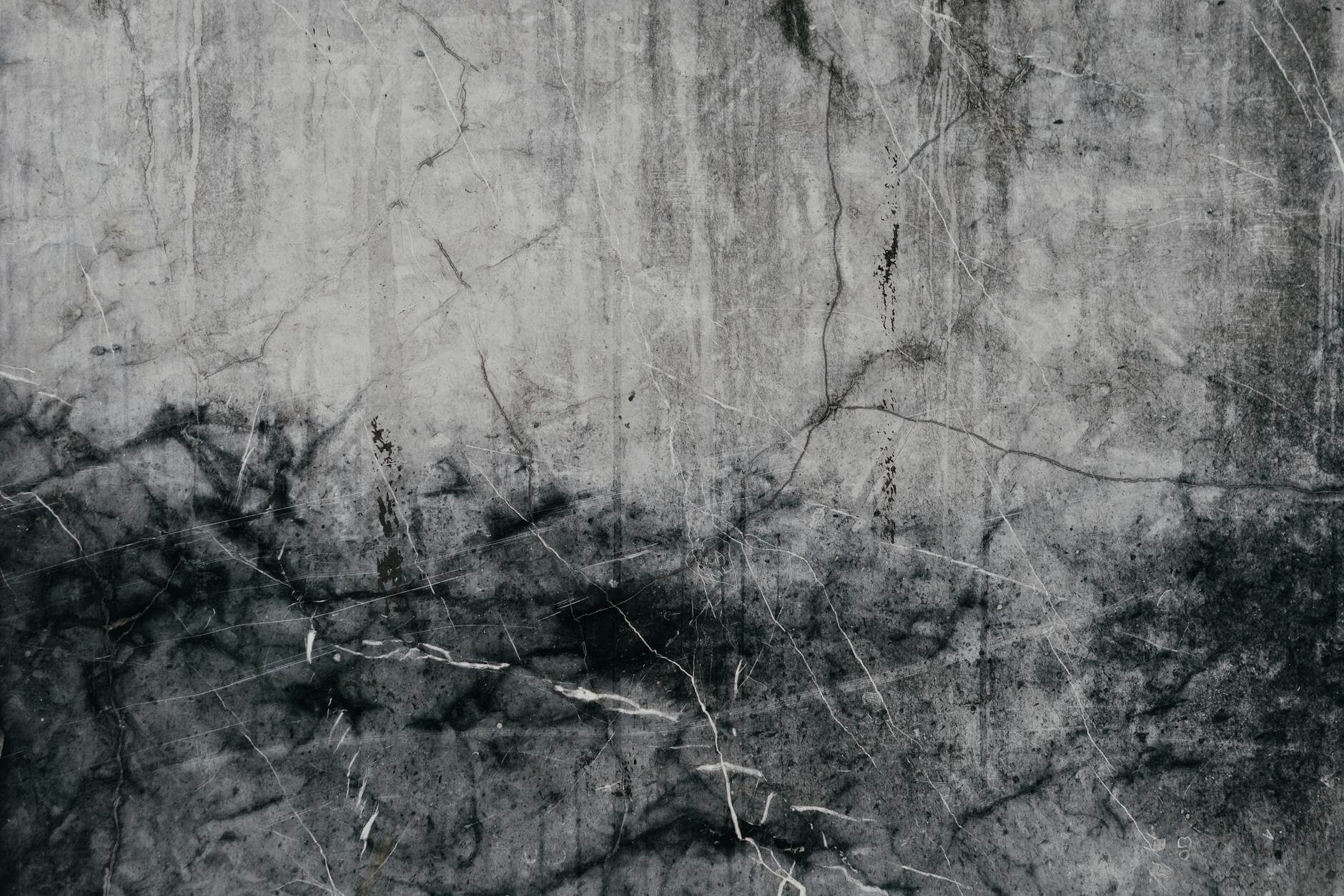
- Dull, chalky patches
- Light spots that look “dry”
- Areas that lose shine
- Smooth but not glossy
- Circular marks from cups or bottles
Unlike stains, etching is surface damage, not discoloration.
How to Fix Etching
Light etching: Polishing gels or powders can restore shine by reactivating the surface and smoothing the damaged area.
Moderate etching: Requires honing with fine abrasives to remove the damaged layer.
Severe etching: Deep etching may require diamond polishing to fully restore the finish.
How to Prevent Etching
- Use coasters
- Avoid acidic cleaners
- Seal the marble regularly
- Clean spills immediately
- Use pH‑neutral products only
Etching is a natural part of owning marble, but with proper care and the right restoration methods, it can be repaired without replacing the stone.