
[wpseo_breadcrumb]
Tactile stud rings play an important role in modern urban infrastructure by enhancing safety and accessibility, particularly for people with visual impairments. These ground surface indicators help create safer environments, offering crucial tactile feedback in areas where potential hazards are present.
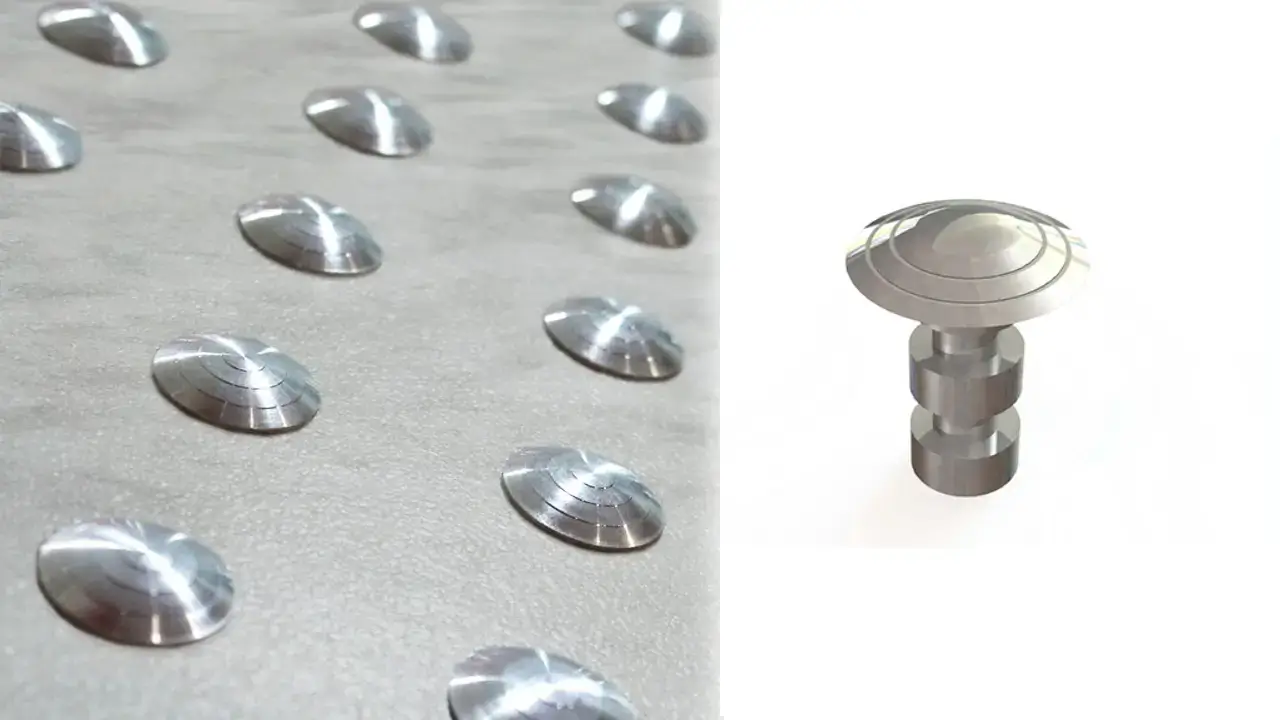
What Are Tactile Stud Rings? Tactile stud rings, often known as tactile paving markers or tactile ground indicators, are circular, textured markers installed into pavement surfaces. Designed to be detectable underfoot or by a cane, these studs serve as navigational aids, especially in key public areas like pedestrian crossings and transportation hubs, ensuring that people with visual disabilities can move around more independently and safely.
Features of Tactile Stud Rings
- Material Composition: Typically crafted from corrosion-resistant materials like stainless steel or brass, tactile studs are built for long-lasting performance in both indoor and outdoor settings.
- Distinctive Design: The ringed design creates a unique surface texture, making them easily recognizable by touch, whether underfoot or by cane.
- Installation and Placement: Tactile stud rings are installed in specific patterns to form detectable warning surfaces or directional pathways, guiding pedestrians or signaling an upcoming hazard, such as a curb or a drop.
Benefits of Installing Tactile Stud Rings

- Enhanced Safety: These tactile indicators offer reliable warnings for potentially hazardous areas, helping to prevent slips, trips, and falls.
- Greater Accessibility: Tactile stud rings make public spaces more accessible by providing clear, tactile cues to guide visually impaired individuals safely.
- Durability: Built with robust materials, tactile stud rings can withstand continuous foot traffic and various environmental conditions, ensuring their long-term usability.
- Aesthetic Appeal: Available in different finishes, these studs can be chosen to match the design of the surrounding area, adding safety without compromising the visual appeal.
Key Applications for Tactile Stud Rings
- Crosswalks and Pedestrian Areas: At pedestrian crossings, tactile studs help indicate the designated waiting area, providing a physical cue for those with vision impairments.
- Public Transportation: In train stations, bus terminals, and airports, tactile studs mark safe waiting zones, guiding travelers to important facilities like ticket counters and platforms.
- Public Buildings and Walkways: Tactile studs are also installed in public facilities such as shopping malls, hospitals, and offices, enhancing safety in areas with stairs or sudden elevation changes.
Compliance with Accessibility Requirements To create a more inclusive environment, many countries require the use of tactile indicators in public spaces under accessibility regulations such as the ADA (Americans with Disabilities Act) in the US or the DDA (Disability Discrimination Act) in the UK. Tactile stud rings help meet these requirements by providing tactile and visual indicators that enhance safety and navigation for people with disabilities.
Choosing the Right Tactile Stud Rings for Your Needs When planning to use tactile stud rings, consider the following:
- Material Durability: Select materials like stainless steel or brass for their high durability and resistance to corrosion.
- Compliance: Ensure that the design and placement meet local accessibility standards to maximize effectiveness.
- Maintenance: Opt for tactile studs that require minimal upkeep while maintaining their functional and visual integrity over time.
Tactile stud rings play a vital role in creating accessible and safe urban environments for everyone. By incorporating these features into public spaces, municipalities and developers can ensure compliance with accessibility standards while fostering an inclusive atmosphere.
To know more about how tactile stud rings , get in touch with us today. We offer a wide range of high-quality tactile paving products that are designed to meet industry standards and help create safer public spaces.