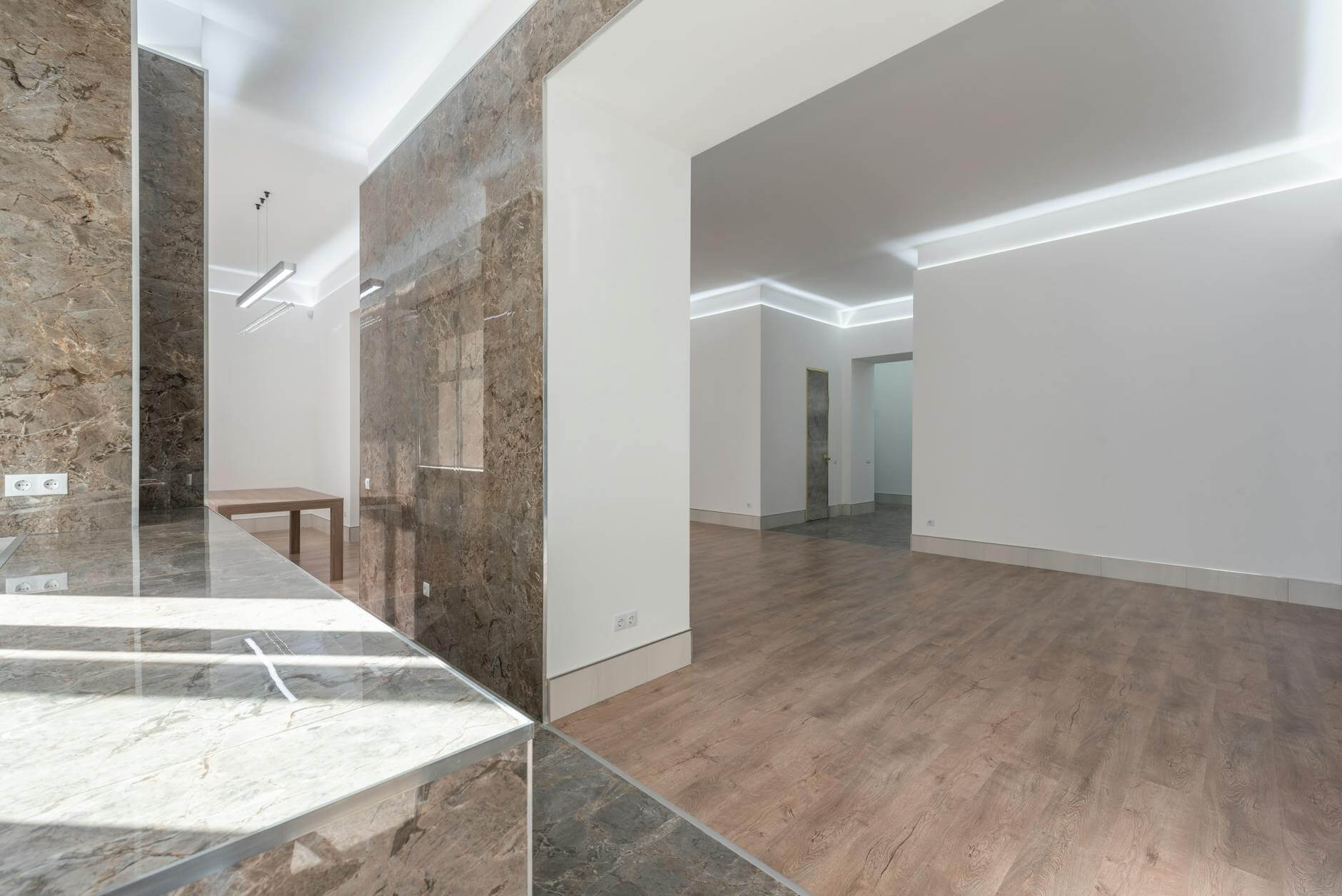
Profile and transition strips are essential finishing components in modern flooring systems. They protect edges, absorb movement, create smooth transitions between different materials, and enhance the overall appearance of the floor. Whether used in residential villas, commercial malls, hotels, offices, or industrial facilities, profiles ensure durability, safety, and a professional finish.
In the UAE, where tile, stone, vinyl, and concrete floors are widely used, profiles and transition strips are critical for preventing edge damage, reducing trip hazards, and accommodating movement caused by temperature changes and substrate shifts. This long‑form guide explores everything you need to know about profile and transition strips — their purpose, types, installation methods, and how to choose the right system for your project.
Why Profile & Transition Strips Matter
Profiles are not decorative accessories; they are functional components that protect flooring systems from damage and ensure long‑term performance.
1. Edge Protection
Tile and stone edges are vulnerable to chipping and cracking. Profiles protect these edges from impact and wear.
2. Smooth Transitions
Different flooring materials often meet at doorways or open spaces. Transition strips create a smooth, safe connection between:
- Tile and vinyl
- Tile and carpet
- Tile and concrete
- Stone and epoxy
- Concrete and vinyl
3. Movement Absorption
Floors expand and contract due to temperature changes. Profiles absorb this movement and prevent cracking.
4. Safety
Transition strips reduce trip hazards by leveling height differences between surfaces.
5. Aesthetic Enhancement
Profiles create clean, professional lines that elevate the overall design.
6. Compliance with Building Standards
Many flooring installations require profiles to meet safety and durability standards.
Where Profiles & Transition Strips Are Used
Profiles are used across a wide range of environments.
Residential
- Villas
- Apartments
- Kitchens
- Bathrooms
- Living rooms
Commercial
- Shopping malls
- Hotels
- Restaurants
- Retail stores
- Office buildings
Industrial
- Warehouses
- Factories
- Workshops
Public Spaces
- Airports
- Schools
- Hospitals
- Government buildings
Types of Profile & Transition Strips
Profiles come in many designs, each serving a specific purpose.
1. Tile Edge Profiles
Tile edge profiles protect the exposed edges of tiles.
Best For
- Bathrooms
- Kitchens
- Stair edges
- Wall tile terminations
Materials
- Aluminum
- PVC
Benefits
- Prevents chipping
- Creates clean edges
- Enhances durability
2. Transition Strips
Transition strips connect two different flooring materials.
Types
- Tile to vinyl
- Tile to carpet
- Tile to concrete
- Stone to epoxy
Benefits
- Smooth transitions
- Reduced trip hazards
- Improved aesthetics
3. Movement Profiles
Movement profiles absorb expansion and contraction.
Best For
- Large tile areas
- Outdoor surfaces
- Sun‑exposed floors
Materials
- Aluminum with rubber insert
- PVC with flexible core
Benefits
- Prevents cracking
- Extends floor lifespan
4. Ramp Profiles
Ramp profiles reduce height differences between floors.
Best For
- Wheelchair access
- Doorway transitions
- Commercial spaces
Benefits
- Improved accessibility
- Reduced tripping risk
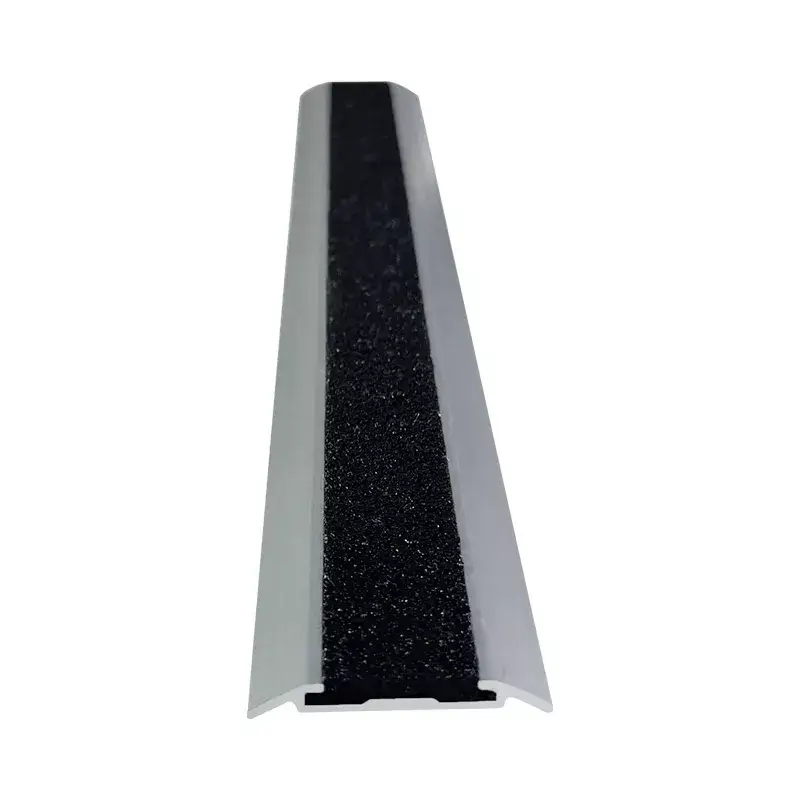
5. Stair Edge Profiles
Used to protect stair edges and improve safety.
Best For
- Commercial stairs
- Residential stairs
- Outdoor steps
Benefits
- Edge protection
- Slip resistance
- Long‑term durability
6. Skirting Profiles
Skirting profiles cover the joint between the wall and the floor.
Best For
- Offices
- Hotels
- Retail stores
Benefits
- Clean finish
- Protects walls
- Hides gaps
7. Expansion Joint Profiles
These profiles are used where two floor sections meet.
Best For
- Large commercial floors
- Outdoor walkways
- Parking structures
Benefits
- Absorbs movement
- Prevents cracking
Materials Used in Profiles
Profiles are made from durable materials designed to withstand wear and environmental conditions.
Aluminum
- Lightweight
- Corrosion‑resistant
- Suitable for high‑traffic areas
PVC
- Cost‑effective
- Flexible
- Available in many colors
Rubber Inserts
- Used in movement profiles
- Provides flexibility
Stainless Steel (Only When Part of Product Category)
Used in heavy‑duty commercial applications such as stair nosing or tactile studs.
How Profiles & Transition Strips Work
Profiles work by:
Protecting Edges
They shield vulnerable tile and stone edges from impact.
Absorbing Movement
Flexible inserts compress and expand as needed.
Leveling Surfaces
Ramp profiles eliminate height differences.
Creating Clean Lines
Profiles provide a professional finish that enhances design.
How to Choose the Right Profile
Choosing the correct profile depends on several factors.
1. Flooring Materials
Tile, stone, vinyl, and concrete require different profiles.
2. Height Differences
Measure the height difference between surfaces.
3. Traffic Level
High‑traffic areas require durable materials.
4. Location
Indoor vs outdoor, wet vs dry areas.
5. Aesthetic Requirements
Choose colors and finishes that match the flooring.
6. Movement Requirements
Large areas require movement profiles.
Installation Guidelines
Proper installation ensures long‑term performance.
Step 1: Measure and Cut
Cut the profile to the required length.
Step 2: Apply Adhesive or Mortar
Embed the profile into the tile adhesive.
Step 3: Install the Flooring
Place tiles or flooring material against the profile.
Step 4: Fill Gaps
Ensure the profile sits flush with the flooring.
Step 5: Clean and Inspect
Remove excess adhesive and check alignment.
Maintenance of Profiles
Profiles require minimal maintenance.
Clean Regularly
Use pH‑neutral cleaners.
Inspect for Damage
Replace worn or damaged profiles.
Avoid Abrasive Pads
Use soft brushes or microfiber.
Check Movement Inserts
Replace rubber inserts if they become brittle.
Common Mistakes to Avoid
- Using the wrong profile for the flooring type
- Not allowing for movement in large areas
- Installing profiles after tiling (incorrect method)
- Using low‑quality materials
- Ignoring height differences
- Cutting profiles incorrectly
Conclusion
Profile and transition strips are essential components of modern flooring systems. They protect edges, absorb movement, improve safety, and enhance the overall appearance of tile, stone, vinyl, and concrete floors. With the right profile, proper installation, and regular maintenance, flooring systems remain durable, safe, and visually appealing for many years.