
Commercial kitchens are high‑risk environments where spills, grease, and constant washing create slippery floors. This makes slip‑and‑fall accidents one of the most common workplace hazards in restaurants, hotels, and catering facilities.
Why Kitchen Floors Become Slippery
- Grease buildup
- Soap residue
- Water spills
- Incorrect cleaning chemicals
- Worn‑out flooring
- Lack of anti‑slip treatment
How to Prevent Slippery Floors
1. Use degreasers regularly Grease is the number one cause of slippery floors. A strong degreaser breaks down oils and prevents buildup.
2. Rinse thoroughly Soap residue can be just as slippery as grease. Always rinse floors after cleaning.
3. Apply anti‑slip treatments Anti‑slip chemicals create microscopic traction on tiles, improving grip even when wet.
4. Use proper footwear Non‑slip shoes significantly reduce accidents.
5. Maintain good drainage Standing water increases slip risk. Ensure drains are clear and functional.
Preventing slippery floors is not just about safety — it also protects businesses from liability and improves staff productivity.
Recommended Products
-

3M 9002V Respiratory Dust Mask – Breathable Protective Mask
-
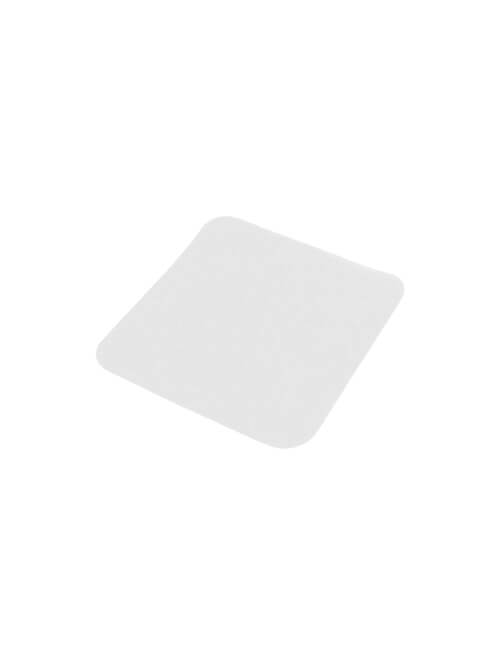
Anti‑Slip Aqua Safe – Non‑Abrasive Waterproof Safety Tape
-
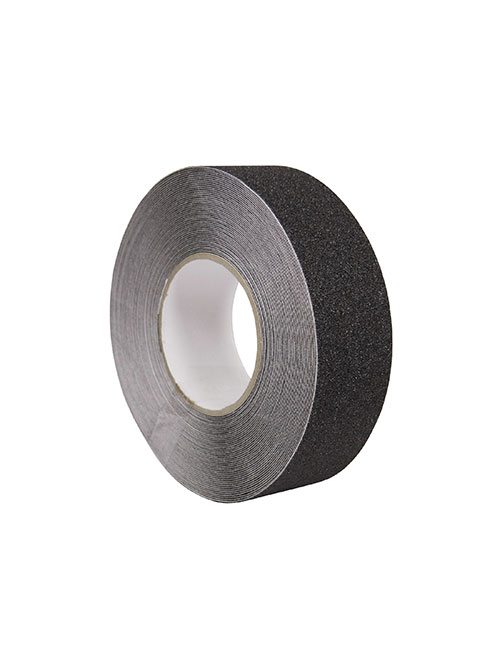
Anti‑Slip Tape – Premium UK Safety Grip Tape
-
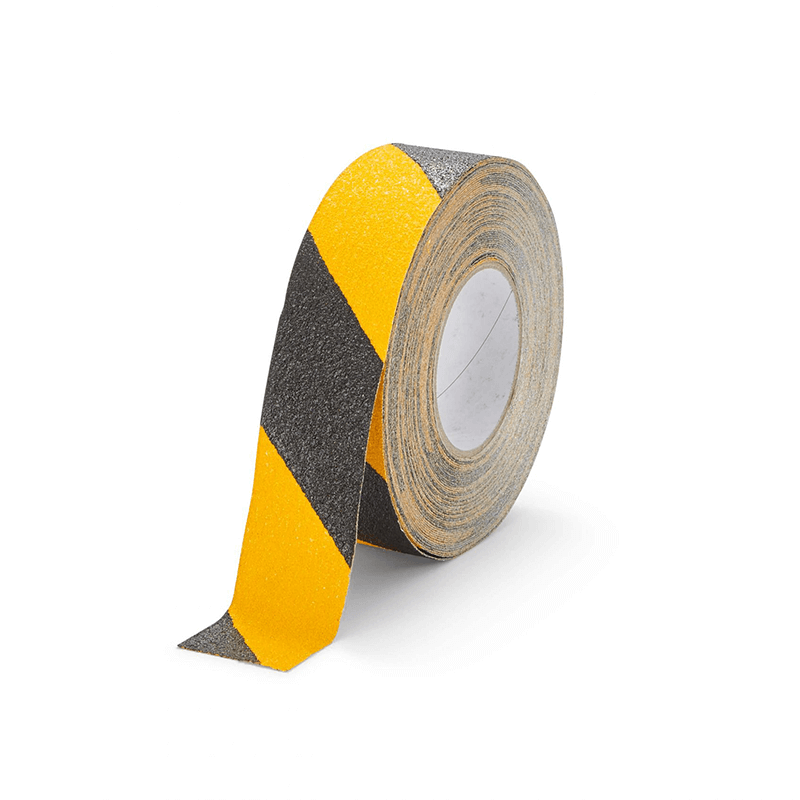
Black & Yellow Anti‑Slip Tape – High‑Visibility Safety Grip
-
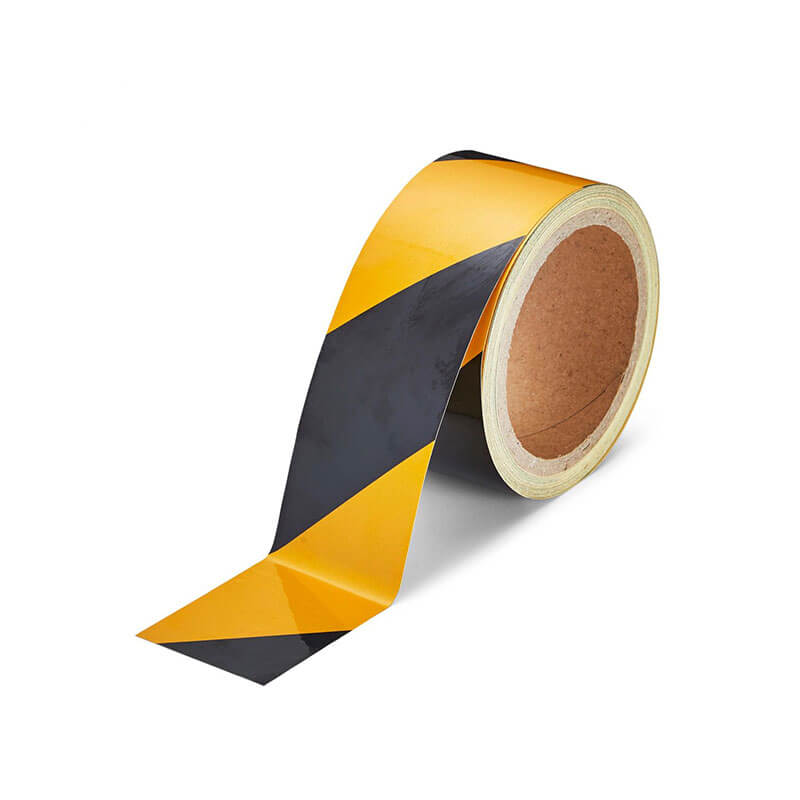
Black & Yellow Reflective Tape – High‑Visibility Safety Marking
-
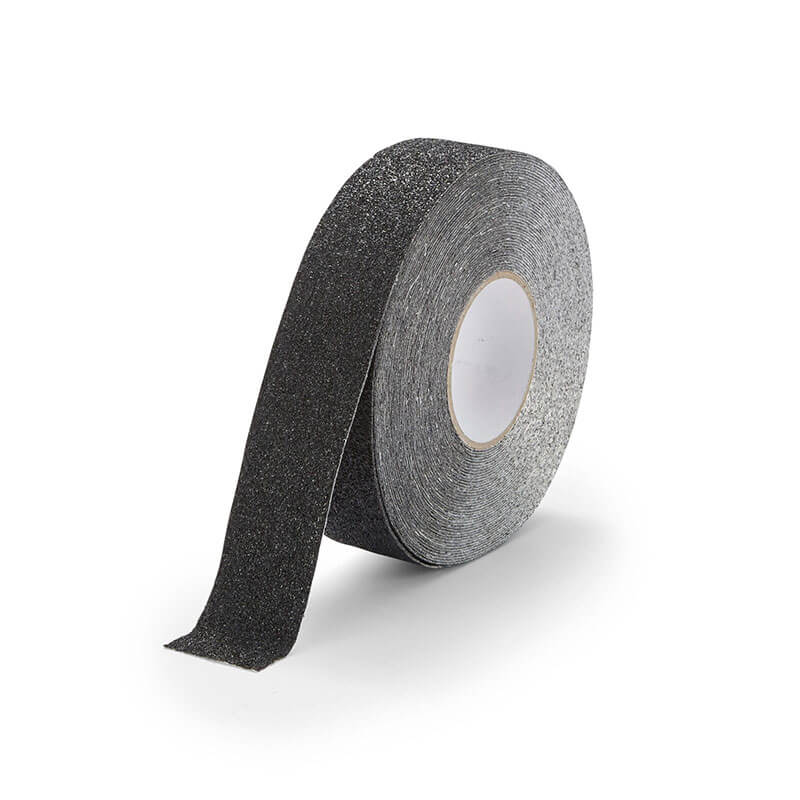
Black Anti‑Slip Tape – Safety Grip Roll
-
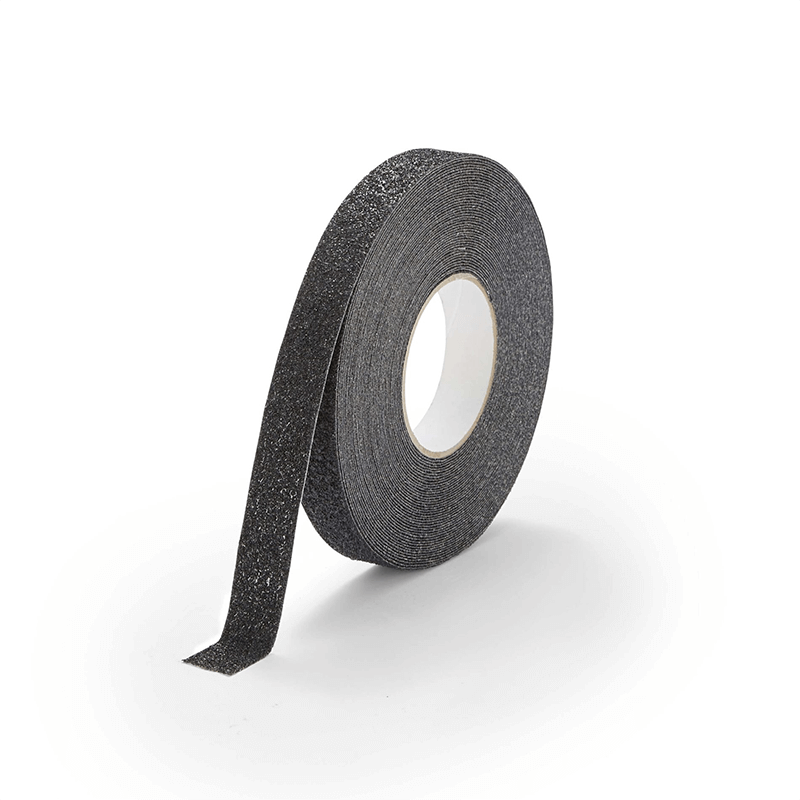
Black Coarse Anti‑Slip Tape – Heavy‑Duty 36 Grit Safety Grip Tape
-
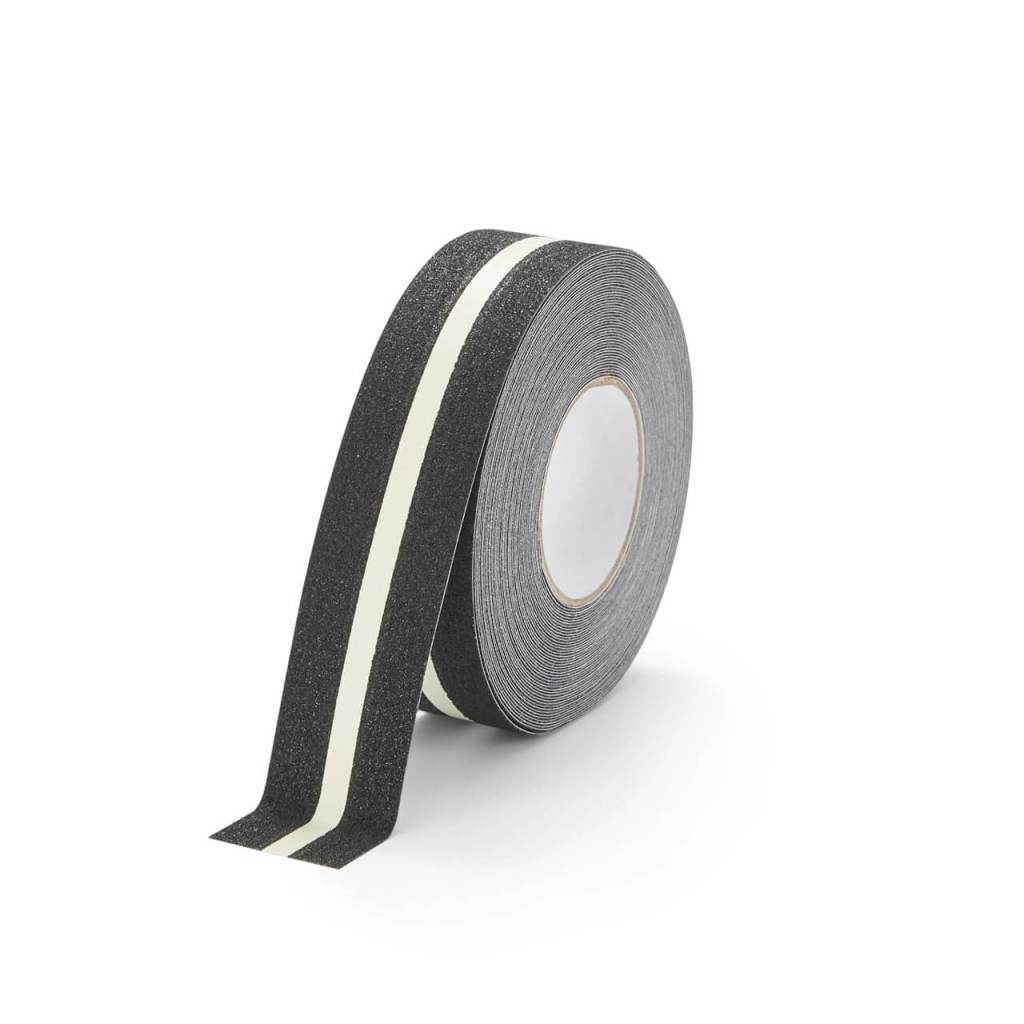
Black Glow Anti‑Slip Safety Grip Tape – High‑Visibility Slip‑Resistance for Steps, Ramps & Walkways