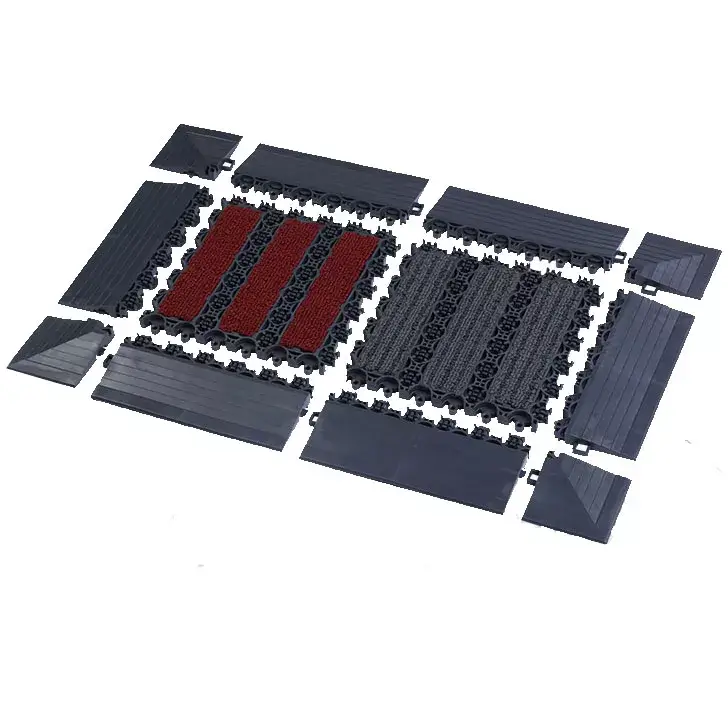

Entrance matting systems are one of the most effective — yet most underestimated — components of building maintenance and floor protection. Whether it’s a shopping mall, hotel, airport, office tower, school, or residential building, the entrance is the first point of contact between the outside environment and the interior floors. Dirt, sand, moisture, and debris enter the building through foot traffic, and without a proper matting system, these contaminants spread quickly, damaging floors, increasing cleaning costs, and creating slip hazards.
In the UAE, where sand, dust, and humidity are constant challenges, entrance matting systems are not optional — they are essential. A well‑designed matting system can remove up to 80% of dirt and moisture from shoes before it enters the building. This dramatically reduces wear on flooring materials, improves safety, and lowers long‑term maintenance costs.
This comprehensive guide explores the purpose of entrance matting systems, the different types available, how they work, where they should be installed, and how to choose the right system for your building.
Why Entrance Matting Systems Matter
1. Dirt and Sand Control
Every person entering a building brings in dirt, sand, and dust. In the UAE, sand is especially abrasive and can scratch polished stone, dull tiles, and damage vinyl flooring.
A proper matting system traps sand at the entrance, preventing it from spreading.
2. Moisture Control
Rain, humidity, and wet shoes create slip hazards. Moisture also damages wood, laminate, and some types of stone.
Matting systems absorb water and keep floors dry.
3. Floor Protection
Floors are expensive to install and maintain. Entrance matting protects:
- Marble
- Granite
- Porcelain
- Vinyl
- Carpet
- Concrete
By reducing wear and scratches.
4. Reduced Cleaning Costs
Less dirt entering the building means:
- Less mopping
- Less scrubbing
- Less machine cleaning
- Less chemical usage
This reduces both labor and material costs.
5. Improved Safety
Wet floors are one of the leading causes of slips and falls. Matting systems reduce this risk significantly.
6. Enhanced Aesthetics
Modern matting systems are designed to complement interior design, creating a clean and professional entrance.
How Entrance Matting Systems Work
Entrance matting systems work in three stages:
Stage 1: Scraping
The first section removes large debris, sand, and dirt from shoes.
Stage 2: Brushing
The second section removes smaller particles and dust.
Stage 3: Absorption
The final section absorbs moisture and prevents water from entering the building.
A complete system includes all three stages.
Types of Entrance Matting Systems
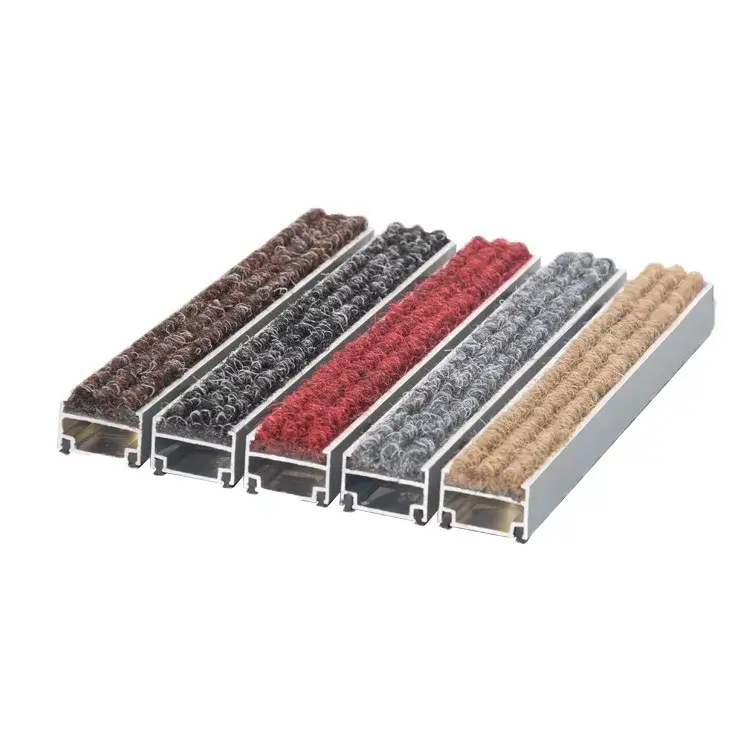
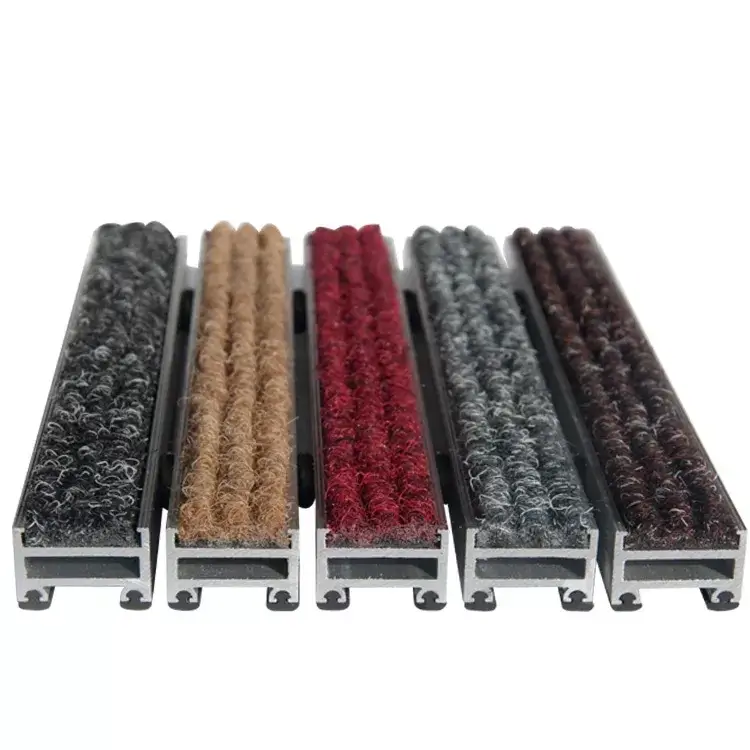
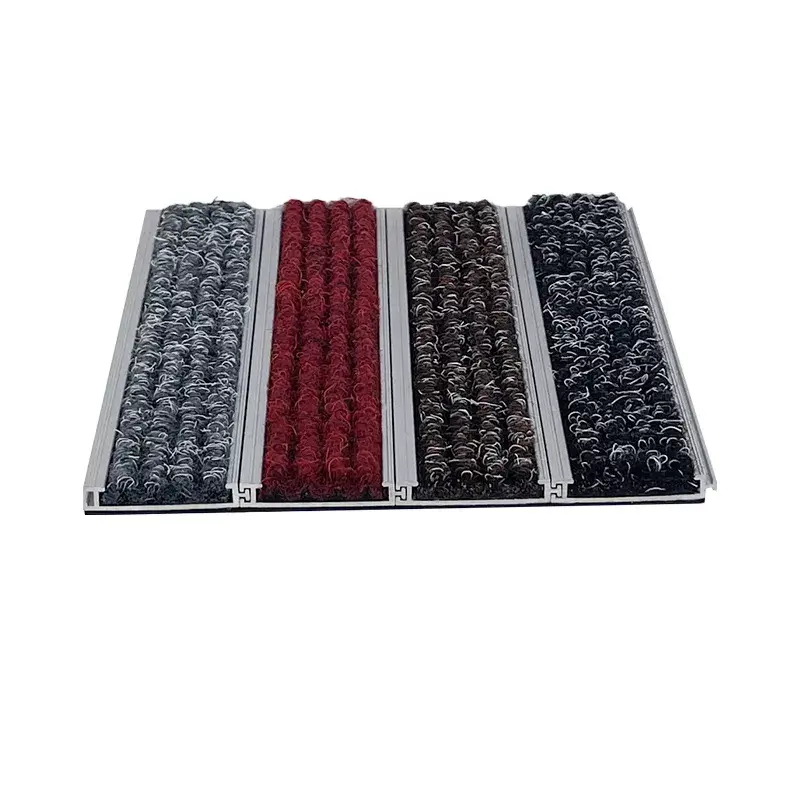
1. Aluminum Entrance Matting
These are heavy‑duty systems designed for high‑traffic areas.
Features:
- Aluminum rails
- Rubber or carpet inserts
- High load capacity
- Long lifespan
Best for:
- Malls
- Airports
- Hotels
- Office towers
2. Recessed Matting Systems
Installed into a recessed pit for a flush finish.
Advantages:
- Clean appearance
- No tripping hazards
- Easy to clean
3. Surface‑Mounted Matting
Installed directly on the floor.
Best for:
- Renovations
- Temporary installations
- Areas without recessed pits
4. Carpet Tile Matting
Used indoors for moisture absorption.
Advantages:
- High absorption
- Easy to replace
- Soft underfoot
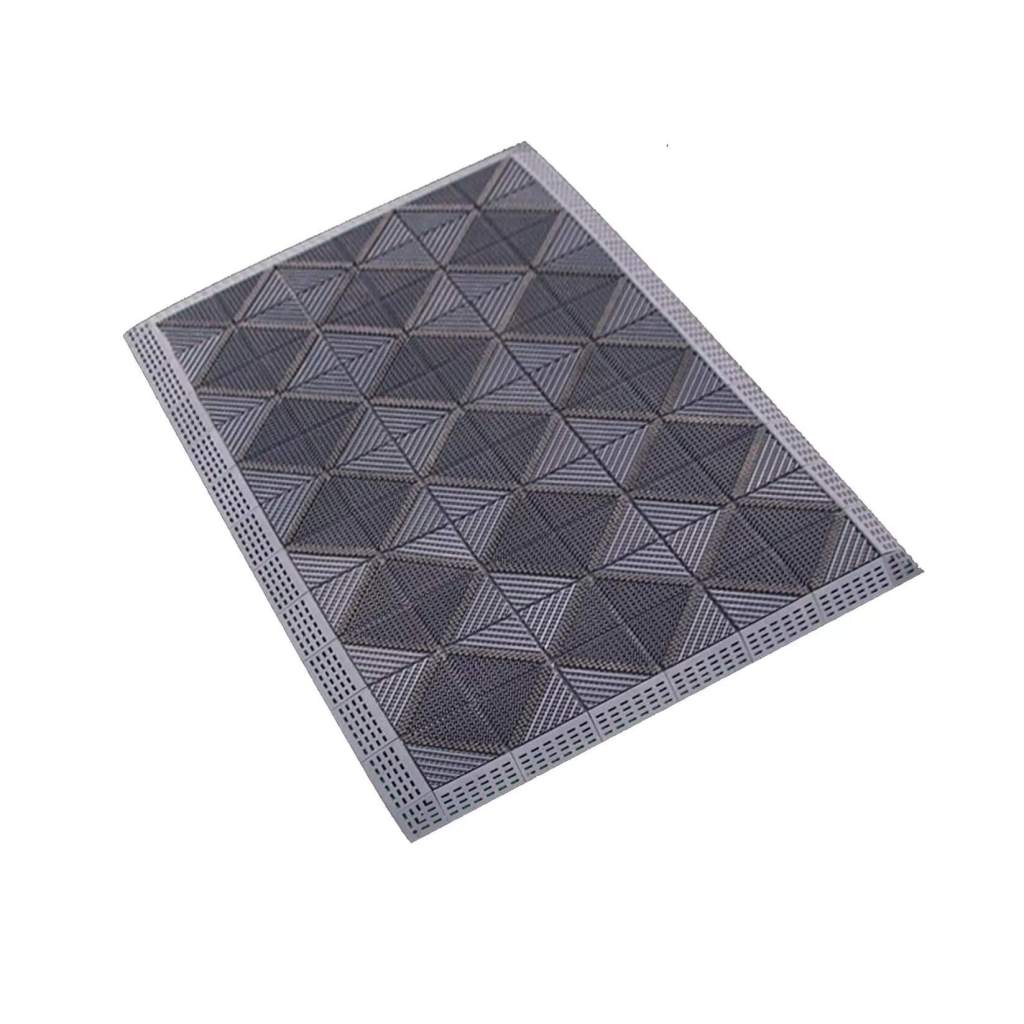
5. Rubber Matting
Used in industrial and outdoor areas.
Advantages:
- Slip‑resistant
- Durable
- Weatherproof
Where Entrance Matting Should Be Installed
1. Main Entrances
The primary location for matting systems.
2. Side Entrances
Often overlooked but equally important.
3. Service Entrances
Used by staff, suppliers, and deliveries.
4. Parking Access Points
Where moisture and dirt enter from garages.
5. Elevator Lobbies
Especially in buildings with open parking.
Choosing the Right Entrance Matting System
1. Traffic Level
High‑traffic buildings require heavy‑duty aluminum systems.
2. Environmental Conditions
Outdoor areas need weatherproof materials.
3. Aesthetic Requirements
Choose colors and finishes that match the interior.
4. Maintenance Requirements
Some systems are easier to clean than others.
5. Installation Type
Recessed vs surface‑mounted.
Maintenance of Entrance Matting Systems
Daily Cleaning
Vacuum or sweep to remove dirt.
Weekly Cleaning
Wash with mild detergent.
Monthly Deep Cleaning
Remove matting and clean the pit.
Annual Maintenance
Inspect for wear and replace inserts if needed.
Common Mistakes to Avoid
- Using small mats that don’t cover enough area
- Not cleaning mats regularly
- Choosing the wrong material for outdoor use
- Installing mats without a scraping section
- Using decorative mats instead of functional systems
Conclusion
Entrance matting systems are essential for protecting floors, improving safety, and reducing maintenance costs. With the right system, buildings stay cleaner, safer, and more professional‑looking — all while extending the life of interior flooring.