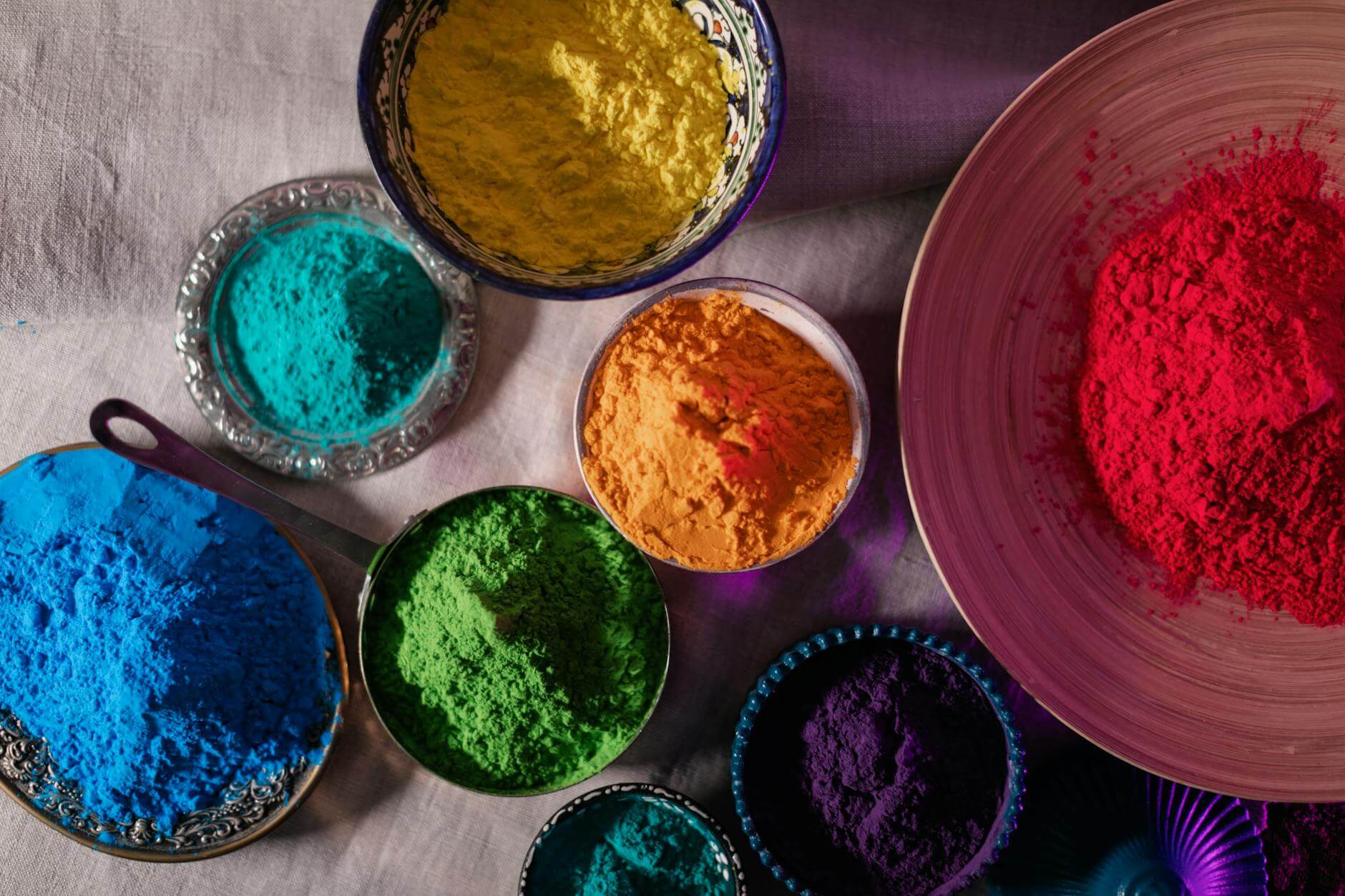
Color pigments play a major role in modern construction, flooring, and surface design. Whether used in concrete, stone restoration, epoxy flooring, or decorative finishes, pigments allow architects, contractors, and designers to create visually striking surfaces with depth, richness, and long‑lasting color stability. In the UAE, where outdoor exposure, UV radiation, and high temperatures are constant challenges, choosing the right pigment is essential for achieving durable and fade‑resistant results.
This long‑form guide explores everything you need to know about color pigments for concrete, stone, and epoxy systems — how they work, where they are used, the different types available, application techniques, and how to choose the right pigment for your project.
Why Color Pigments Matter
Pigments are more than just color additives. They influence:
- Aesthetic appeal
- UV resistance
- Surface uniformity
- Long‑term durability
- Chemical resistance
- Heat absorption
- Design flexibility
High‑quality pigments ensure that surfaces maintain their color even under harsh conditions.
Where Color Pigments Are Used
Pigments are used across a wide range of materials and applications.
Concrete
- Driveways
- Walkways
- Polished concrete
- Decorative concrete
- Stamped concrete
Epoxy Flooring
- Metallic epoxy
- Solid color epoxy
- Flake systems
- Quartz systems
Stone Restoration
- Enhancing natural tones
- Repairing color inconsistencies
- Matching patch repairs
Grout and Mortar
- Colored grout
- Tile adhesives
- Joint fillers
Tactile Systems
- PU tactile tiles
- Warning strips
- Accessibility surfaces
Outdoor Surfaces
- Pavers
- Kerbstones
- Landscaping elements
Types of Color Pigments
Pigments fall into several categories depending on their composition and performance.
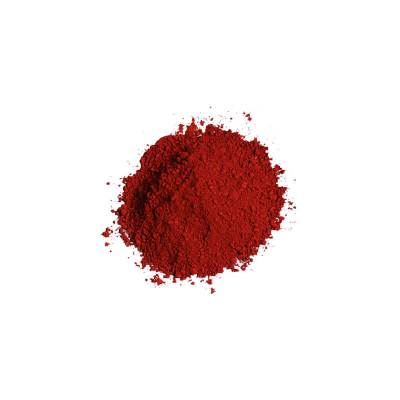
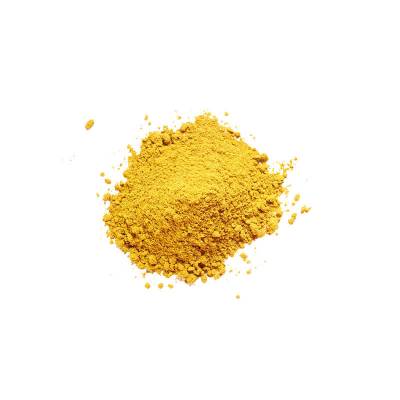
1. Iron Oxide Pigments
Iron oxide pigments are the most widely used pigments in construction.
Colors Available
- Red
- Yellow
- Black
- Brown
- Terracotta
Advantages
- UV‑stable
- Heat‑resistant
- Long‑lasting
- Economical
- Suitable for concrete and mortar
Best For
- Concrete coloring
- Pavers
- Kerbstones
- Grout
2. Mineral Pigments
These pigments are derived from natural minerals.
Advantages
- Natural appearance
- High durability
- Excellent UV resistance
Best For
- Stone restoration
- Decorative concrete
- Architectural finishes
3. Synthetic Pigments
These pigments are engineered for high performance.
Advantages
- Strong color intensity
- Wide color range
- Chemical resistance
Best For
- Epoxy flooring
- Resin systems
- Industrial coatings
4. Liquid Pigments
Liquid pigments are used in epoxy and resin systems.
Advantages
- Easy to mix
- High color saturation
- Smooth blending
Best For
- Metallic epoxy
- Solid color epoxy
- Artistic finishes
5. Powder Pigments
Powder pigments are used in concrete, mortar, and stone applications.
Advantages
- Economical
- Easy to store
- Long shelf life
Best For
- Concrete batching
- Grout coloring
- Stone repair
How Pigments Work
Pigments work by dispersing color particles throughout the material. Their performance depends on:
Particle Size
Smaller particles provide better color uniformity.
Purity
High‑purity pigments resist fading and chemical attack.
Compatibility
Pigments must be compatible with the binder (cement, epoxy, resin).
UV Stability
Outdoor surfaces require UV‑stable pigments.
How to Use Pigments in Concrete
Step 1: Choose the Right Pigment
Iron oxide pigments are ideal for concrete.
Step 2: Measure Accurately
Pigment dosage affects color intensity.
Step 3: Mix Thoroughly
Uniform mixing prevents streaks.
Step 4: Cure Properly
Uneven curing affects final color.
Step 5: Seal the Surface
Use sealers from LTP, EcoProtec, B‑Chem, or Shelber.
How to Use Pigments in Epoxy Flooring
Step 1: Select Compatible Pigments
Use liquid or powder pigments designed for epoxy.
Step 2: Mix with Resin
Add pigment to Part A before mixing with Part B.
Step 3: Blend Evenly
Avoid clumps or streaks.
Step 4: Apply Smoothly
Use rollers or squeegees.
Step 5: Add Effects (Optional)
Metallic pigments create swirling patterns.
How to Use Pigments in Stone Restoration
Step 1: Identify the Stone Color
Match pigment to natural tones.
Step 2: Mix with Resin or Filler
Use pigments with stone repair compounds.
Step 3: Apply Carefully
Blend into the stone surface.
Step 4: Polish After Curing
Use polishing pads from Klindex, ISABRASIVI, or SAIT.
Choosing the Right Pigment
Indoor vs Outdoor
Outdoor surfaces require UV‑stable pigments.
Material Type
Concrete, epoxy, and stone require different pigment types.
Desired Color
Earth tones use iron oxide; bright colors use synthetic pigments.
Application Method
Liquid pigments for epoxy; powder pigments for concrete.
Maintenance of Pigmented Surfaces
Use pH‑Neutral Cleaners
Avoid harsh chemicals.
Seal the Surface
Sealers protect color from fading.
Avoid Abrasive Pads
Use soft brushes or microfiber.
Reapply Sealer Periodically
Every 2–3 years for outdoor surfaces.
Common Mistakes to Avoid
- Using non‑UV pigments outdoors
- Incorrect pigment dosage
- Poor mixing
- Using pigments not compatible with epoxy
- Not sealing pigmented concrete
Conclusion
Color pigments are essential for enhancing concrete, stone, and epoxy surfaces. With the right pigment type, proper mixing, and correct application techniques, you can achieve long‑lasting, vibrant, and visually appealing surfaces across residential, commercial, and industrial environments.