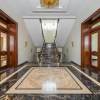
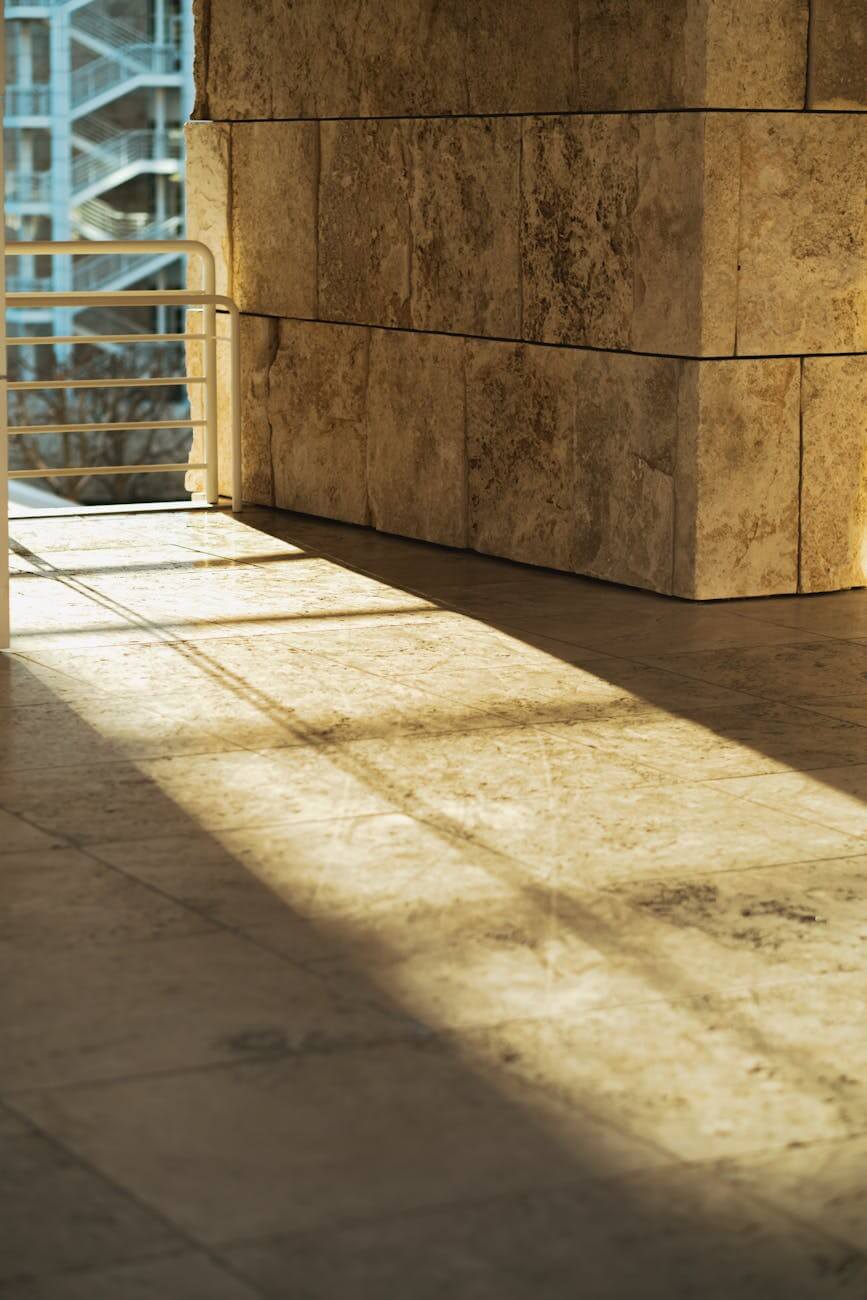
Antique and oxidized finishes have become a major design trend in modern architecture, interior design, and landscape projects. These finishes add depth, texture, and a sense of timeless character to stone, tile, and concrete surfaces. Whether used in villas, hotels, restaurants, retail stores, or outdoor landscapes, antique finishes create a warm, natural, and lived‑in aesthetic that blends beautifully with both traditional and contemporary design.
This long‑form guide explores everything you need to know about antique and oxidized finishes for stone, tile, and concrete — how they work, where they are used, the different types available, application techniques, and how to maintain them for long‑term beauty.
Why Antique & Oxidized Finishes Are Popular
Antique finishes are not just a trend; they are a design philosophy. They bring surfaces to life by adding:
Natural Texture
Antiquing enhances the natural grain, pores, and mineral patterns of stone and concrete.
Depth and Warmth
Aged surfaces feel more organic and inviting.
Timeless Appeal
Antique finishes mimic the look of surfaces that have aged gracefully over decades.
Versatility
They work across marble, limestone, travertine, sandstone, slate, concrete, and textured porcelain.
Design Flexibility
Antique finishes complement rustic interiors, industrial designs, Mediterranean styles, minimalist spaces, and outdoor landscapes.
Types of Antique & Oxidized Finishes (Stone, Tile, Concrete Only)
Antiquing is achieved through a combination of mechanical, chemical, and surface‑treatment techniques. Below are the most common types used in the UAE market.
1. Stone Antiquing (Marble, Limestone, Travertine, Sandstone)
Stone antiquing enhances the natural beauty of stone by softening edges, opening pores, and creating a textured, aged appearance.
Brushed Finish
Achieved using abrasive brushes from brands like SAIT, ISABRASIVI, or Klindex.
Results:
- Soft texture
- Slightly aged look
- Enhanced natural grain
Best for villa floors, outdoor patios, pool decks, and feature walls.
Tumbled Finish
Stone is placed in a tumbling machine with abrasives.
Results:
- Rounded edges
- Softened corners
- Natural, worn appearance
Best for rustic interiors, outdoor walkways, and garden paths.
Antiqued or Hammered Finish
Created using mechanical tools that lightly distress the surface.
Results:
- Deep texture
- Non‑slip surface
- Strong visual character
Best for outdoor stairs, pool surrounds, and high‑traffic areas.
Acid‑Washed Finish (Stone‑Safe Formulas Only)
Specialized stone‑safe chemicals from brands like B‑Chem or LTP lightly etch the surface.
Results:
- Slightly rough texture
- Enhanced color variation
Important: Only use stone‑safe antiquing chemicals.
2. Concrete Antiquing
Concrete is one of the most versatile materials for antiquing. It can be transformed into rustic, industrial, or decorative surfaces.
Surface Grinding and Brushing
Using machines from Klindex or Achilli.
Results:
- Exposed aggregate
- Natural stone‑like texture
Antiquing Powders
Applied during finishing to create color variation.
Results:
- Aged, mottled appearance
- Soft color transitions
Stain‑Based Antiquing
Using mineral‑based stains or pigments.
Results:
- Deep, natural color
- Weathered look
Textured Roller Antiquing
Rollers imprint subtle aged patterns.
Best for driveways, walkways, and outdoor seating areas.
3. Porcelain and Ceramic Antiquing (Surface‑Level Only)
Porcelain cannot be chemically aged, but it can be mechanically textured or treated with antiquing coatings.
Techniques include:
- Brushing
- Surface abrasion
- Matte antiquing sealers
- Color‑enhancing sealers
Results:
- Soft, aged look
- Reduced shine
- Enhanced texture
Where Antique Finishes Are Used
Residential
Indoor: living rooms, kitchens, bathrooms, feature walls, staircases Outdoor: patios, garden paths, pool decks, courtyards
Commercial
Hospitality: hotels, resorts, restaurants, cafés Retail: boutiques, showrooms, concept stores Corporate: office lobbies, reception areas
Landscape and Exterior
Walkways, driveways, outdoor seating areas, water features, public plazas
How Antique & Oxidized Finishes Are Applied
Step 1: Surface Preparation
The surface must be clean, dry, and free of coatings. Use cleaners from LTP, EcoProtec, or B‑Chem.
Step 2: Mechanical Texturing
Using diamond brushes, antiquing brushes, abrasive pads, or machines from Klindex or Achilli.
Step 3: Color Enhancement (Optional)
Using mineral pigments, enhancing sealers, or antiquing gels.
Step 4: Protective Sealing
Sealers from LTP, EcoProtec, B‑Chem, or Shelber protect the antiqued surface.
Types include:
- Penetrating sealers
- Enhancing sealers
- Matte sealers
Maintenance of Antique & Oxidized Surfaces
- Use pH‑neutral cleaners
- Reapply sealer every 2–3 years
- Avoid abrasive pads
- Clean spills quickly
Common Mistakes to Avoid
- Using acid on marble or limestone
- Antiquing porcelain with chemicals
- Applying sealer on a wet surface
- Using metal brushes on stone
- Over‑texturing the surface
- Not sealing after antiquing
Conclusion
Antique and oxidized finishes bring depth, texture, and timeless beauty to stone, tile, and concrete surfaces. With the right techniques, tools, and maintenance, these finishes can transform any space into a warm, character‑rich environment that stands the test of time.
Recommended Products
-

Antique Brush – 25 cm Silicon Carbide Texturing Brush
-
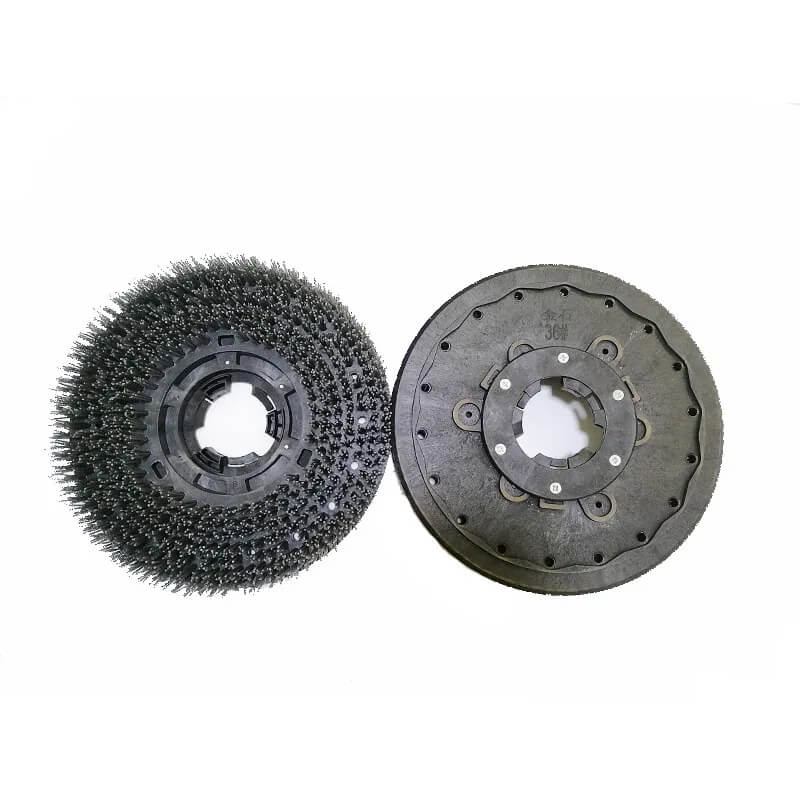
Antique Brush Carbide 17″ – Silicon Carbide Antiquing Brush for Rotary Machines
-
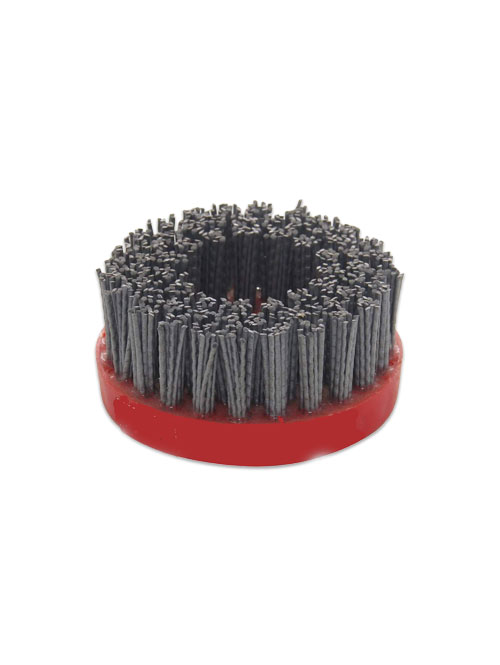
Antique Brush Carbide 4.5″ – Silicon Carbide Texturing Brush for Stone
-

Antique Brush Carbide FF – Frankfurt Silicon Carbide Antiquing Brush
-
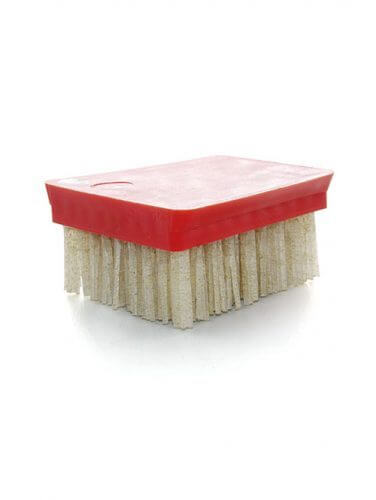
Antique Brush Diamond FF – Frankfurt Diamond Antiquing Brush
-

Antique Brush Steel Wire FF – Frankfurt Steel Wire Texturing Brush