Natural stone floors are beautiful, but they are also porous — which means stains can penetrate deep into the surface if not treated correctly. Whether it’s marble, granite, limestone, or travertine, each stone type reacts differently to spills, chemicals, and cleaning methods.
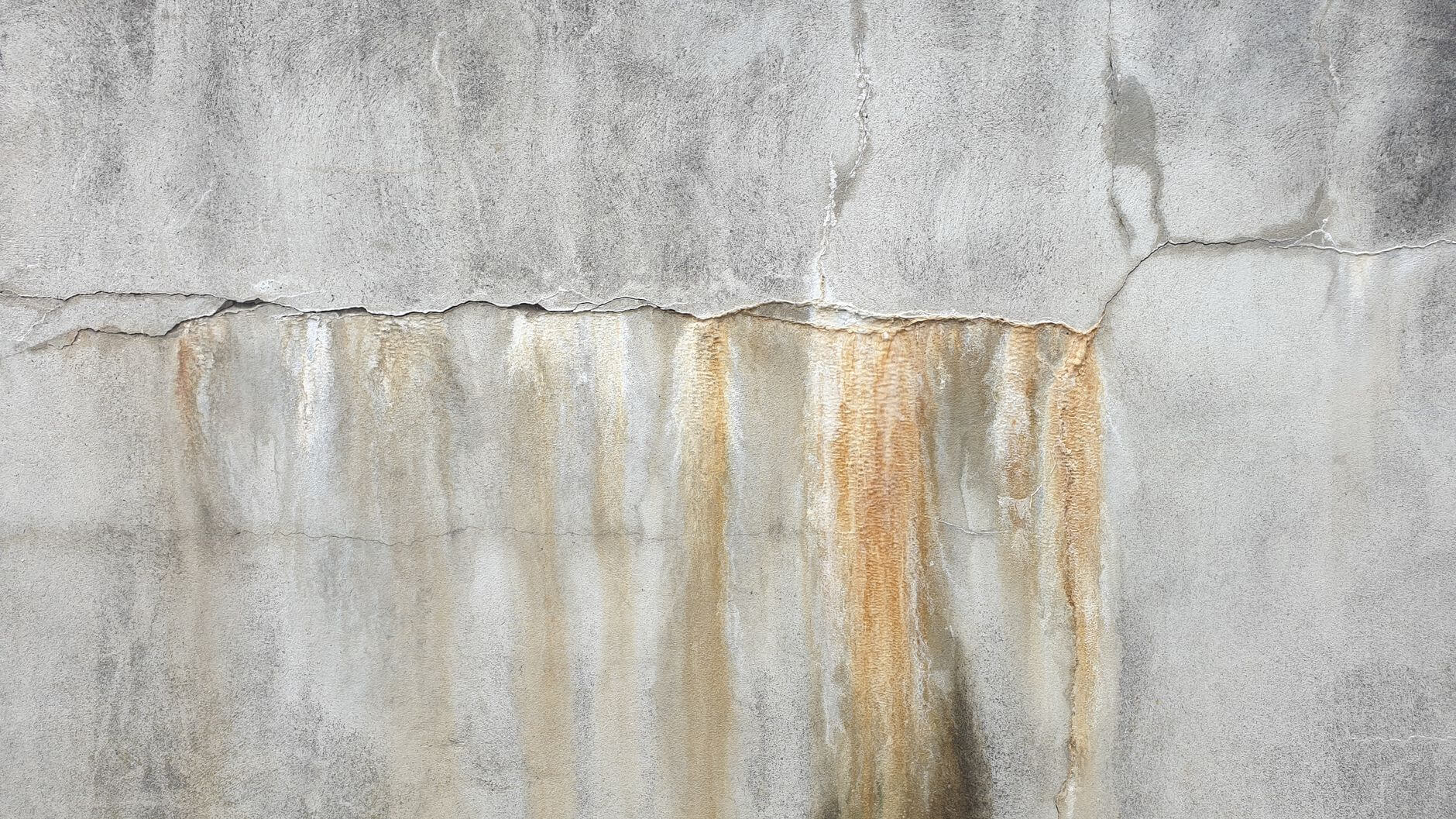
Stains on stone usually fall into one of these categories: organic, oil‑based, rust, metal, or chemical etching. Understanding the type of stain is the first step toward choosing the right treatment.
Common Types of Stone Stains
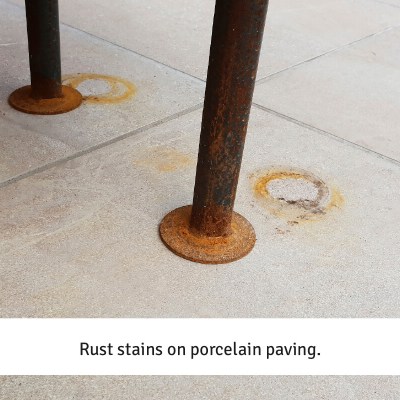
Organic stains: Coffee, tea, juice, food spills Oil‑based stains: Grease, cooking oil, cosmetics Rust stains: Metal furniture, screws, planters Etching: Acidic liquids like lemon, vinegar, or cleaners Water stains: Mineral deposits from hard water
How to Remove Stains Safely
1. Identify the stain type Never apply chemicals blindly. Stone reacts differently depending on its mineral composition.
2. Use a poultice for deep stains A poultice draws the stain out of the stone’s pores. It is especially effective for oil‑based and organic stains.
3. Avoid acidic cleaners Marble, limestone, and travertine are sensitive to acids. Even mild acids can cause etching.
4. Rinse thoroughly After treatment, rinse the area with clean water to remove residue.
5. Seal the stone Sealing helps prevent future stains and makes cleaning easier.
Stain removal is a delicate process, but with the right approach, even old stains can be significantly reduced or completely removed.
Recommended Product

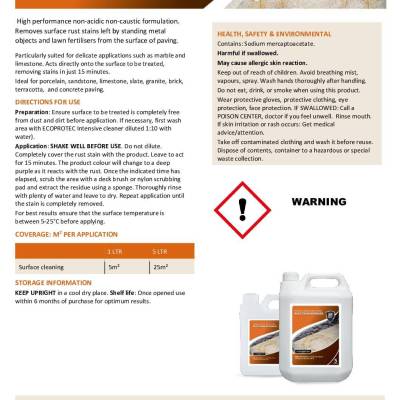
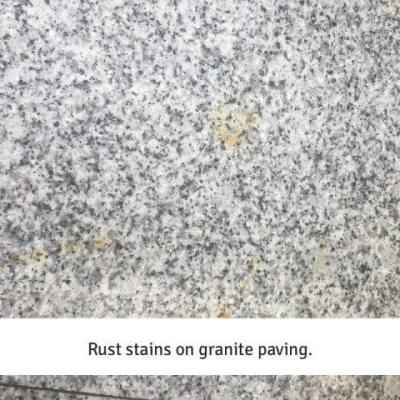
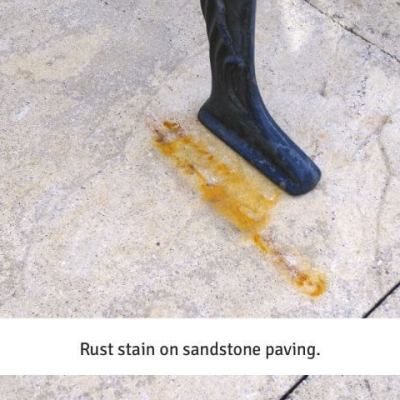
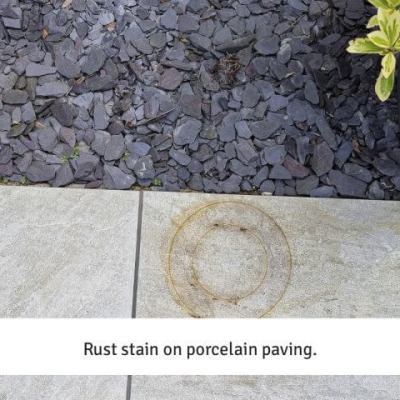

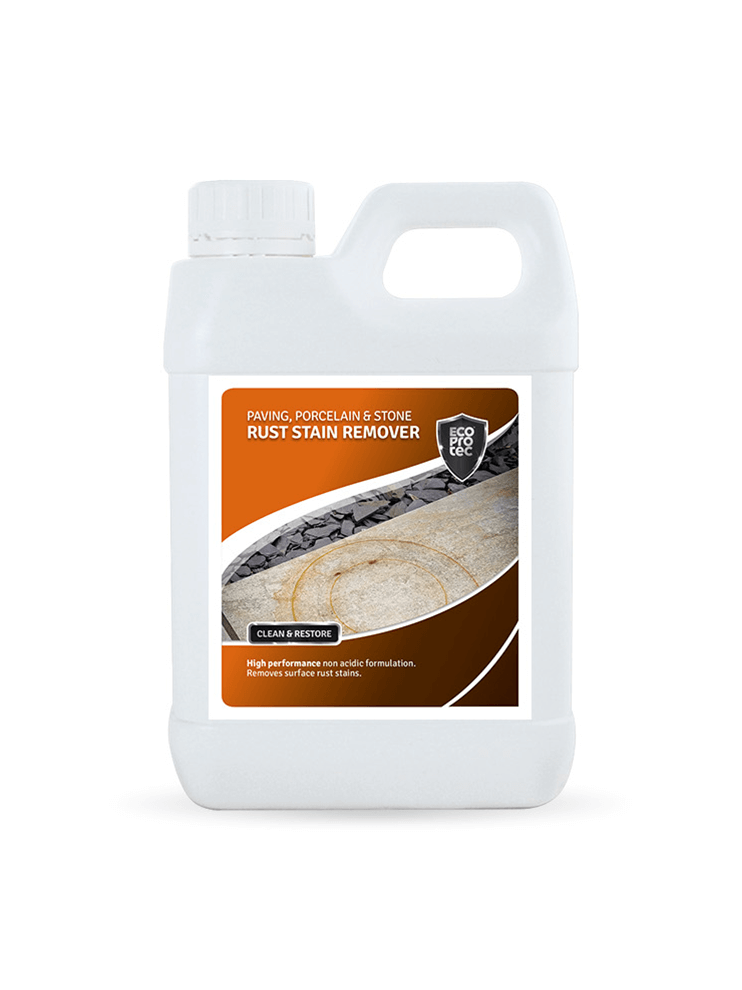
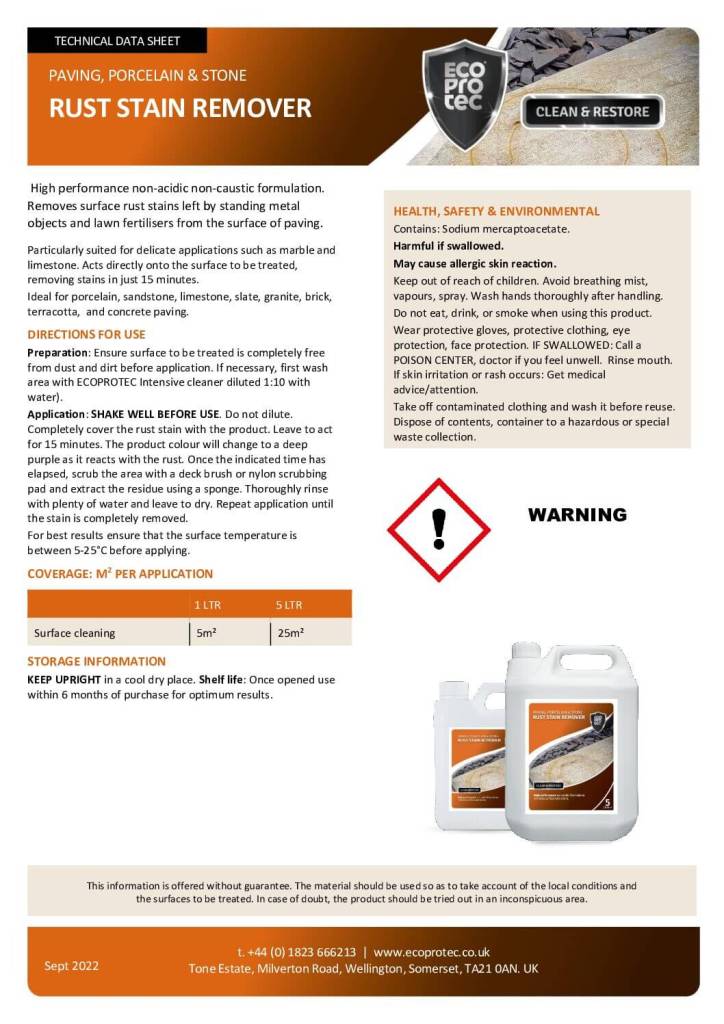
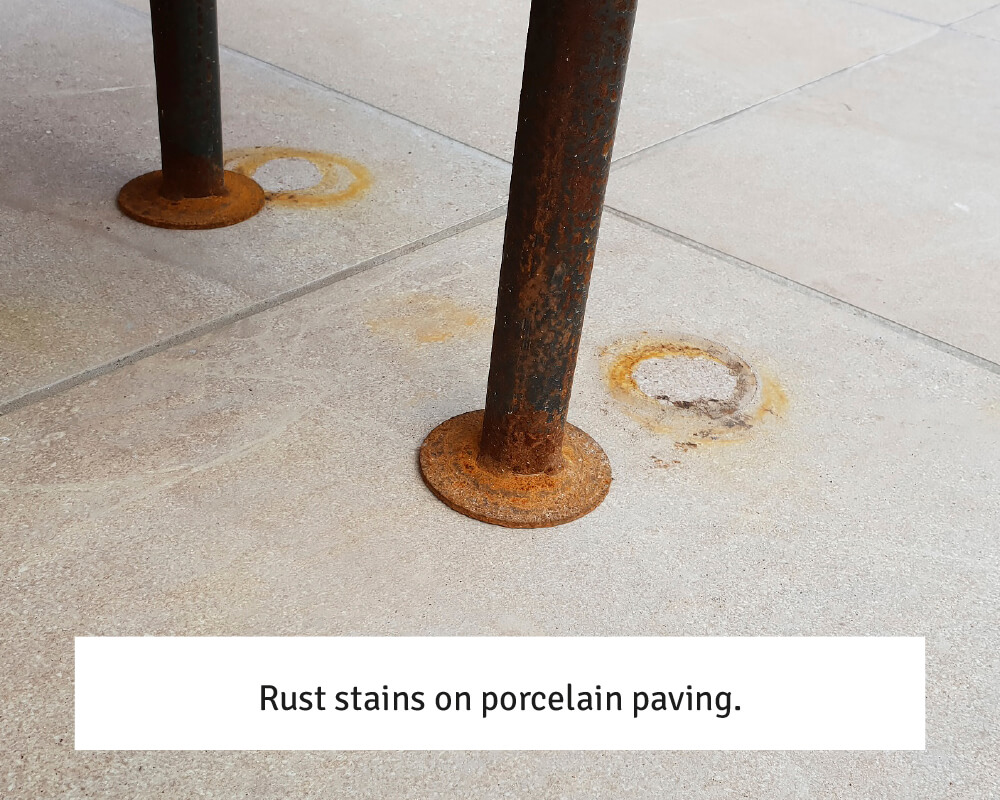
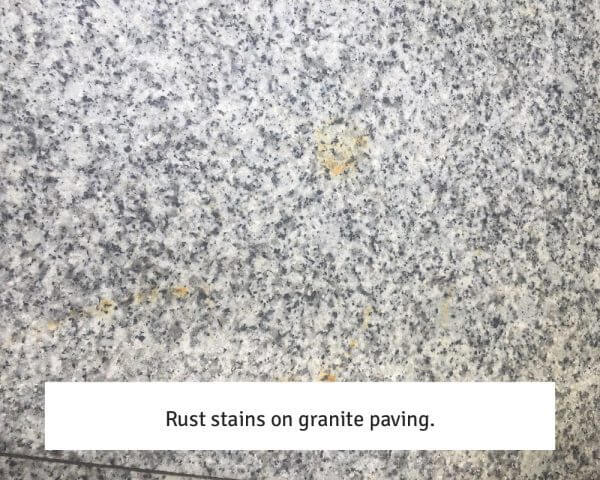

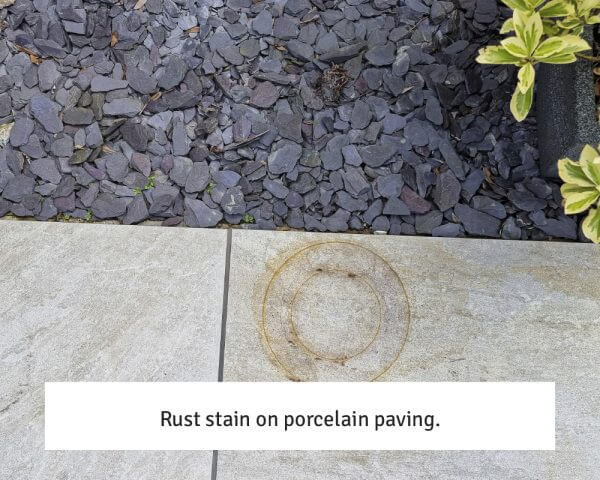
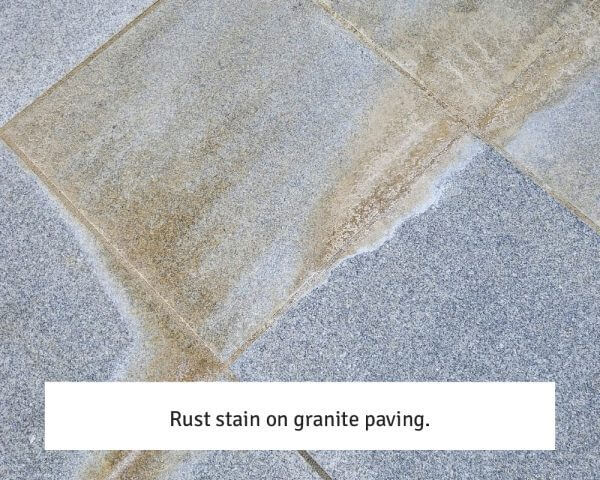
EcoProtec Rust Stain Remover – Non‑Acidic Rust Cleaner for Delicate Stone & Porcelain
AVAILABLE IN 1 Liter
Fast‑acting, non‑acidic and non‑caustic rust stain remover for porcelain, marble, limestone, sandstone, granite, slate, terracotta and concrete paving. Safe for delicate surfaces including polished marble. Removes rust stains in just 15 minutes. Available in 1 Liter.